
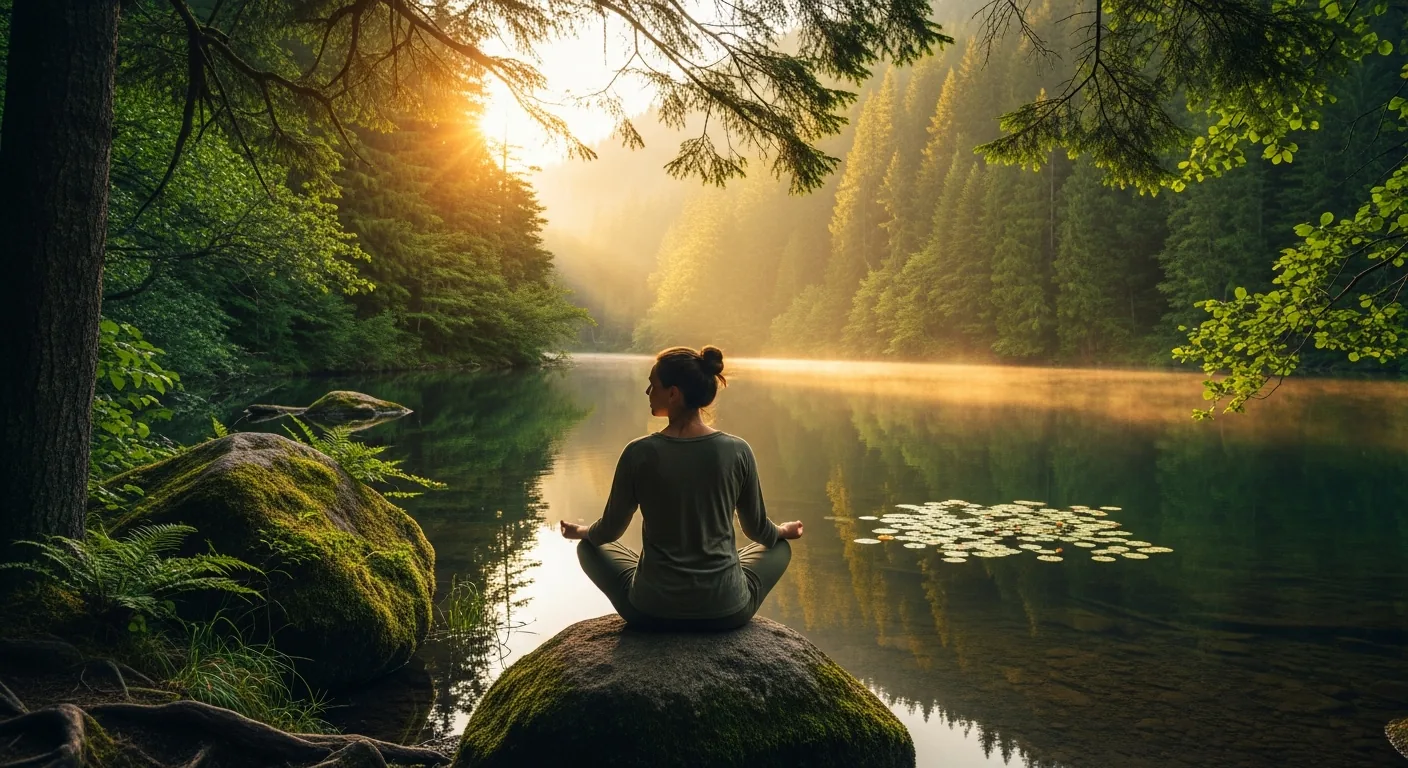
Introduction: The Biology of Stress
Stress isn’t inherently harmful — actually, it’s a critical survival mechanism. The real challenge of modern life is that our stress response system, which was designed for short-term physical threats, gets chronically activated by everyday psychological stressors: think work deadlines, financial anxiety, relationship conflict, and constant information overload. According to the American Psychological Association’s 2023 Stress in America survey, a whopping 76% of Americans report physical or emotional symptoms linked to chronic stress.
When psychological stress becomes chronic, that fight-or-flight response never fully deactivates. This drives up cortisol, causes systemic inflammation, suppresses your immune system, boosts cardiovascular risk, messes with your metabolism, and significantly worsens mental health outcomes. Studies even show that chronic stress is a causal or contributing factor in approximately 75–90% of all physician office visits in the United States. That’s a huge number, isn’t it?
This guide lays out 15 evidence-based methods for naturally dialing down stress, ranked by how strong the research is and how easy they are to access.
Understanding the Stress Response System
When your brain perceives a threat (whether it’s real or just imagined), your hypothalamus kicks the sympathetic nervous system into gear. This signals your adrenal glands to pump out adrenaline (epinephrine) and cortisol. Your heart rate and breathing speed up. Blood rushes to your muscles and away from digestion and your immune system. That’s the classic “fight-or-flight” response in action.
Normally, once the threat passes, your parasympathetic nervous system (the “rest-and-digest” system) turns off the stress response. The problem with chronic modern stress is that the perceived threat never truly goes away. Your mind keeps that stress circuitry active through rumination, catastrophizing, and a constant hum of low-level worry.
The methods we’ll discuss below target different parts of this system to help you break that chronic stress cycle.
15 Proven Methods to Reduce Stress Naturally
1. Diaphragmatic Breathing (Physiological Sigh)
Controlled breathing is the most direct, immediately accessible way to shift your autonomic nervous system from sympathetic (stressed) to parasympathetic (calm). Research from Stanford University even suggests that the “physiological sigh” — a double inhale through the nose followed by a long, slow exhale through the mouth — is the fastest way to reduce acute stress.
A 2023 study in Cell Reports Medicine found that cyclic slow breathing and physiological sighing actually reduced self-reported anxiety and improved mood more effectively than mindfulness meditation during a 5-minute intervention period. Pretty cool, right?
How to do it: Inhale deeply through your nose, then take a small additional “sniff” at the top of that inhale to really fill your lungs. Then, exhale completely and slowly through your mouth. Repeat this 3–5 times. You can reduce acute stress in under 2 minutes with this simple technique.
2. Regular Aerobic Exercise
Exercise is probably the most thoroughly studied natural stress intervention out there. Research shows that aerobic exercise reduces cortisol and adrenaline levels, stimulates endorphin release, increases BDNF (brain-derived neurotrophic factor) which acts like a natural antidepressant, and reduces amygdala reactivity — that’s the brain region most responsible for stress and fear responses.
A meta-analysis of 37 randomized controlled trials published in JAMA Psychiatry found that exercise significantly cut down anxiety symptoms, with effects comparable to medication for mild-to-moderate anxiety. What’s the minimum effective dose? It looks like 150 minutes per week of moderate-intensity activity does the trick.
3. Mindfulness Meditation
Mindfulness — that non-judgmental, present-moment awareness — has been extensively studied as a way to intervene in stress. The most well-validated program is Mindfulness-Based Stress Reduction (MBSR), an 8-week structured program developed by Dr. Jon Kabat-Zinn at the University of Massachusetts Medical School.
Studies show that MBSR reduces psychological stress, anxiety, and depression while also physically lowering cortisol levels and inflammatory markers. A 2014 meta-analysis in JAMA Internal Medicine, which looked at 47 trials, found moderate evidence for improvements in anxiety, depression, and pain with mindfulness programs.
Getting started: Even 10 minutes of daily meditation practice can show measurable effects. Apps like Headspace, Calm, and Insight Timer offer fantastic guided programs for beginners.
4. Time in Nature (Forest Bathing)
The Japanese practice of Shinrin-yoku (forest bathing — basically, mindful time spent in natural environments) has been heavily studied by Japanese and South Korean research groups. These studies show that spending even 20 minutes in natural settings reduces salivary cortisol, lowers blood pressure, decreases heart rate, and improves mood compared to urban environments.
A 2019 study in Frontiers in Psychology found that just 20–30 minutes of nature exposure produced the greatest cortisol reduction per minute spent outdoors. Worth mentioning, research also indicates that even looking at photographs of nature or having indoor plants can provide small but measurable stress-reducing effects for those who can’t get outside.
5. Quality Sleep
Sleep and stress are totally linked: stress messes with your sleep, and poor sleep dramatically amplifies how you react to stress. Studies show that after just one night of inadequate sleep, your amygdala (the brain’s stress-response center) becomes 60% more reactive to stressors. That means the same event feels 60% more threatening when you’re sleep-deprived. Wild, right?
Prioritizing 7–9 hours of quality sleep isn’t just some passive stress management tool — it’s one of the most powerful things you can do. Honestly, without addressing your sleep, other stress management efforts are going to be way less effective.
6. Social Connection
We’re social organisms, plain and simple. Research published in PLOS Medicine shows that social isolation is linked to a 26–29% increased risk of premature mortality — effects comparable to smoking 15 cigarettes per day. On the flip side, strong social connections actually buffer your physiological stress response: having close friends or partners around reduces that cortisol spike when you’re under pressure.
Studies even show that brief, positive social interactions — like getting a warm message from a friend or having a quick chat with a neighbor — produce measurable reductions in cortisol. Investing in your relationships is a direct investment in your stress resilience, in my experience.
7. Journaling and Expressive Writing
Psychologist James Pennebaker at the University of Texas has spent over three decades demonstrating that expressive writing — freely writing about emotionally difficult experiences — leads to measurable improvements in both psychological and physical health. Studies show that people who journal about stressful experiences have lower cortisol, improved immune function, fewer doctor visits, and better moods compared to control groups who write about neutral topics.
There’s a specific technique called “worry journaling” too: you schedule a designated 15-minute period each day to write down all your worries and concerns. This reduces intrusive thoughts about stressors during other hours, essentially giving your worried mind a dedicated slot instead of letting it run rampant all day.
8. Reducing Caffeine Intake
Caffeine is a central nervous system stimulant, and it ramps up adrenaline and cortisol — the same hormones that surge during stress. For folks with anxiety or high baseline stress, too much caffeine can significantly amplify stress reactivity and anxiety. Studies indicate that caffeine intake above 400mg per day (that’s about 4 cups of coffee) is associated with noticeably higher anxiety scores in susceptible individuals.
Cutting back on caffeine — especially after noon to protect your sleep — often brings rapid reductions in baseline anxiety and stress. What I find interesting is that switching partially to green tea (which contains L-theanine, a compound that blunts caffeine’s excitatory effects) can be a practical harm-reduction strategy.
9. Magnesium Supplementation
Magnesium is absolutely essential for proper HPA axis (your stress system) regulation. Research suggests that magnesium deficiency — which is super common in Western populations — is linked to higher cortisol and heightened stress reactivity. Studies show that magnesium supplementation in deficient individuals can reduce anxiety and physiological stress markers.
A 2017 systematic review in Nutrients found evidence supporting magnesium supplementation for reducing anxiety in mild-to-moderate cases, especially for those with low dietary magnesium intake. Want to get more magnesium from food? Dark chocolate, leafy greens, nuts, seeds, and legumes are all great sources.
10. Yoga
Yoga is pretty cool because it combines physical movement, controlled breathing, and mindful awareness all into one practice. This means it tackles multiple parts of your stress response simultaneously. According to a 2018 meta-analysis in Psychological Medicine, which looked at 42 randomized controlled trials, yoga significantly reduced self-reported stress, anxiety, and depression across all sorts of different groups of people.
Studies also show yoga lowers cortisol, reduces blood pressure, improves heart rate variability (a biomarker for parasympathetic tone and stress resilience), and even increases GABA levels in the brain. Even just two 60-minute yoga sessions per week can produce measurable stress-reducing effects within 4–8 weeks.
11. Limiting News and Social Media Consumption
According to the American Psychological Association, constantly consuming news — especially in today’s 24/7 negative-news media environment — is linked to significantly increased stress, anxiety, and feelings of helplessness. A 2022 study even found that heavy news consumers reported 69% higher stress levels than those who limited their news intake. Makes sense, doesn’t it?
Studies show that “news batching” — consuming news just once or twice a day in specific windows rather than continuously checking — helps you stay informed while dramatically cutting down on that chronic, low-grade stress from constant negative information exposure.
12. Adaptogens (Ashwagandha, Rhodiola, Holy Basil)
Adaptogenic herbs are these amazing plants that help your body adapt to stress by modulating the HPA axis and reducing excessive cortisol release. The most well-researched adaptogens for stress reduction include:
- Ashwagandha: Multiple randomized controlled trials show reductions in perceived stress and salivary cortisol by 14–30% in stressed adults. Typical dose: 300–600mg standardized extract.
- Rhodiola rosea: Studies show improved stress tolerance, less fatigue, and mood benefits in stressed professionals and students. Typical dose: 200–400mg standardized extract.
- Tulsi (Holy Basil): Used in Ayurvedic medicine; preliminary evidence suggests it can reduce anxiety and stress markers. Generally considered safe as a daily tea.
13. Reducing Alcohol Consumption
Alcohol is a common go-to for coping with stress, but studies actually show it creates a net negative effect on stress management. While alcohol temporarily reduces anxiety by increasing GABA activity, it totally messes with your sleep architecture, reduces your stress resilience the next day, and creates a dependency feedback loop where your baseline anxiety rises over time, making you need more alcohol to get the same relief.
Research indicates that even moderate drinking (more than 1 drink per day) is linked to heightened next-day anxiety (“hangxiety”) and reduced cortisol resilience. Cutting back or even eliminating alcohol — even for a set period — often brings rapid improvements in baseline stress and mood. It’s worth trying!
14. Progressive Muscle Relaxation (PMR)
PMR is a mind-body technique developed by physician Edmund Jacobson that involves systematically tensing and then releasing muscle groups throughout your body. Research shows that PMR activates your parasympathetic nervous system and significantly reduces both psychological and physiological stress markers.
A 2019 meta-analysis in Applied Psychophysiology and Biofeedback found PMR effective in reducing anxiety, depression, and physiological stress markers across diverse clinical and non-clinical populations. It only takes about 20–30 minutes to learn, and you can practice it anywhere, no equipment needed.
15. Gratitude Practice
According to research in positive psychology, regularly practicing gratitude — taking time to reflect on and record positive experiences and things you’re thankful for — measurably shifts your attention from threat-monitoring to positive appraisal. This helps reduce those ruminative thought patterns that keep chronic stress alive.
A 2003 study by Emmons and McCullough, published in the Journal of Personality and Social Psychology, found that participants who wrote about things they were grateful for weekly reported significantly higher life satisfaction, more positive emotions, fewer health complaints, and even more hours of sleep. Studies show that even a brief daily gratitude practice (just 3 specific items, written down) can produce measurable wellbeing improvements within 3–4 weeks.
Building a Personal Stress Management Protocol
Research consistently shows that when you layer multiple evidence-based stress reduction practices, you get greater benefits than with any single intervention. So, what might a practical daily protocol look like?
- Morning: 10 minutes of mindfulness or journaling. Get some sunlight exposure. Maybe delay your caffeine intake a bit.
- Midday: Take a 20-minute walk in nature (or just outdoors). Eat lunch away from screens.
- Evening: Limit news consumption. Do some yoga or light movement. Try gratitude journaling. Connect with someone socially.
- As needed: Use physiological sighs for acute stress. Take quick nature breaks.
When to Seek Professional Help
Natural stress management strategies are powerful tools for everyday stress and mild anxiety. However, they’re simply not enough for clinical anxiety disorders, PTSD, panic disorder, or major depression. According to the Anxiety and Depression Association of America, anxiety disorders are the most common mental health condition in the United States, affecting 40 million adults annually — and the good news is, they’re highly treatable with professional care.
If stress is significantly messing with your daily functioning, relationships, work performance, or physical health, please don’t hesitate to consult a mental health professional. Evidence-based treatments like CBT (Cognitive Behavioral Therapy) have decades of research backing them up and are incredibly effective.
Frequently Asked Questions (FAQ)
How quickly do natural stress reduction methods work?
Some techniques, like breathing exercises or physiological sighs, produce immediate effects within minutes. Others, such as exercise, meditation, or adaptogens, require consistent practice over 4–8 weeks to really show their full benefits. Expect a mix: immediate tools for acute stress, and consistent practices for building long-term resilience.
Is exercise or meditation better for stress?
According to a 2023 network meta-analysis in BMJ, exercise was significantly more effective than meditation for reducing anxiety and depression, with walking, running, and yoga showing the strongest effects. But here’s the thing: these aren’t mutually exclusive! Combining exercise and meditation actually produces additive benefits.
Can dietary changes help reduce stress?
Yes, absolutely. Studies show that diets rich in whole foods, omega-3 fatty acids, fermented foods, leafy greens, and fiber support a healthy gut-brain axis and reduce systemic inflammation — both of which, in turn, reduce how you react to stress. On the flip side, diets heavy in ultra-processed foods are linked to higher rates of anxiety and depression.
How do I know if my stress has become chronic?
Warning signs of chronic stress include: persistent fatigue despite getting enough sleep, frequent headaches or muscle tension, digestive problems, immune dysfunction (like getting sick often), difficulty concentrating, irritability, low motivation, changes in sleep or appetite, and an increased reliance on alcohol or other coping substances. If these symptoms stick around for more than 2–3 weeks, you really should consult a healthcare provider.
Can stress be good for you?
Yes — within limits, of course. Research on “eustress” (that’s positive stress) demonstrates that moderate, controllable, short-term stress actually promotes resilience, growth, and performance. The key factors are: the stress feels manageable, it has a clear endpoint, and you get adequate recovery afterward. Chronic, uncontrollable, or inescapable stress is what really causes harm.
The Bottom Line
Chronic stress is both a widespread issue and a deeply personal experience — but it doesn’t have to be an inevitable feature of modern life. The 15 strategies in this guide range from free and immediate (think breathing techniques, nature walks) to more systematic approaches (like consistent exercise, meditation practice, or adaptogenic supplementation). Each one is backed by peer-reviewed research; plus, most require no special equipment, training, or cost.
Start with the simplest interventions first — things like daily movement, deliberate breathing, making sure you get enough sleep, and cutting down on unnecessary stressors like constant news consumption. Then, layer on additional practices as they become habitual. Over time, these practices don’t just reduce stress; they actively build your resilience.
This article is for informational purposes only and does not constitute medical advice. If you are experiencing significant mental health challenges, please consult a qualified healthcare provider.
🔥 Recommended: Shop quality supplements at NutriProfits – Trusted brands, best prices.
7-Day Stress Reduction Challenge
Ready to put these techniques into practice? Why not try this simple 7-day challenge?
- Day 1: 10 minutes morning meditation
- Day 2: 30 minutes nature walk without your phone
- Day 3: Write down 3 things you’re grateful for
- Day 4: 15 minutes deep breathing before bed
- Day 5: Digital detox after 8 PM
- Day 6: Connect with a friend or loved one
- Day 7: Review what worked, commit to 2 techniques long-term
Small daily actions really do compound into lasting change. Pick 2-3 techniques from this challenge and make them non-negotiable habits. Your future self will totally thank you.
When to Seek Professional Help
While natural stress management works for most people, some situations definitely call for professional support. You should consider therapy or counseling if:
- Stress interferes with your daily functioning for more than 2 weeks
- You experience panic attacks or severe anxiety
- Sleep problems persist despite practicing good sleep hygiene
- You’re using alcohol, drugs, or food as your main way to cope
- Your relationships are suffering because of irritability or withdrawal
- You have thoughts of self-harm or hopelessness
There’s absolutely no shame in seeking help. Therapy is a sign of strength, not weakness. A mental health professional can provide personalized strategies and, if needed, discuss medication options. Many people find they benefit most from combining natural techniques with professional support.
Related Reading
- Best Morning Routines for Energy 2026
- Cold Plunge Benefits: What Science Actually Says
- Intermittent Fasting Guide: Benefits & Tips
