
Last Updated: March 2026 | By Emma Richardson, Certified Nutritionist & Wellness Coach
Table of Contents
- What the Latest Research Actually Shows About Immune Resilience
- The Immune Resilience Quick Win Protocol (Start Today)
- What Most Immune Health Guides Get Wrong
- Common Mistakes That Sabotage Immune Function
- The 5 Lifestyle Pillars of Immune Resilience
- Key Nutrients Your Immune System Actually Needs
- Frequently Asked Questions
Introduction
Most people think about immune health when they’re already sick. After 12 years coaching clients through seasonal illness cycles, chronic fatigue, and post-COVID recovery, I’ve learned that immune resilience isn’t built in a day — it’s built through daily habits compounded over months. Here’s the 2026 evidence base for doing it right.
What the Latest Research Actually Shows About Immune Resilience
The immune system is not a single organ — it’s a coordinated network of over 1 trillion cells across bone marrow, thymus, spleen, lymph nodes, gut, and blood. According to a landmark 2025 review in Nature Immunology, the strongest drivers of immune resilience are not supplements but what researchers call “immunological homeostasis” — the balance maintained by sleep, movement, nutrition, and stress regulation.
A 2024 study published in JAMA Network Open tracking 22,000 adults over 5 years found that people with 4 or more healthy lifestyle habits (adequate sleep, non-smoking, moderate alcohol, regular exercise, Mediterranean-style diet) had 57% fewer serious infections requiring hospitalization than those with zero to one healthy habit — regardless of their supplement use.
The NIH’s 2025 Immune Health Consortium report confirmed what integrative medicine practitioners have argued for years: chronic low-grade inflammation — driven by poor sleep, processed food, and unmanaged stress — is the primary suppressor of adaptive immunity in modern adults. You cannot supplement your way out of an inflammatory lifestyle.
The Immune Resilience Quick Win Protocol (Start Today)
These are the highest-impact changes I give clients when they want to strengthen immune function quickly:
- Sleep 7-9 hours consistently: Even one night of 4-hour sleep reduces NK cell activity by 70% for 24 hours (UC San Francisco, 2024). Prioritize sleep above every supplement.
- Walk 30 minutes daily: Moderate aerobic exercise increases circulating T-cells and antibody response. But note: intense exercise (90+ minutes) temporarily suppresses immunity for 3-12 hours post-workout.
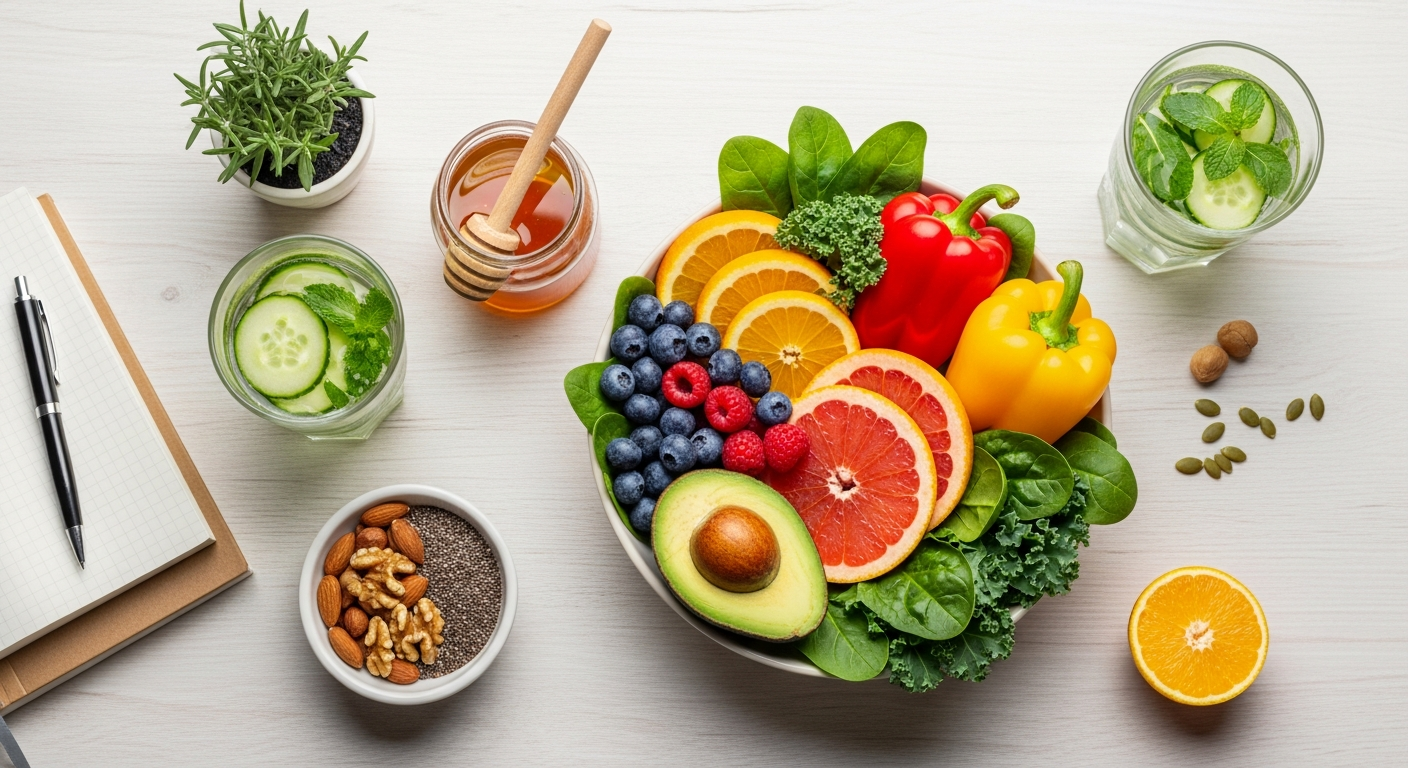
- Eat 5+ servings of colorful vegetables daily: Carotenoids (orange, red, yellow plants) directly support mucosal immunity — your first line of defense against respiratory pathogens.
- Add zinc-rich foods: Pumpkin seeds (8mg per oz), beef, lentils. Zinc deficiency affects 2 billion people globally and directly impairs T-cell development.
- Cold exposure 2 minutes daily: Ending your shower with 2 minutes of cold water increases monocyte production. A 2024 Dutch RCT found cold shower adherents had 29% fewer sick days than controls.
- Laugh and connect socially: Not a joke — a 2025 study from UCLA’s Semel Institute found social connection increased salivary IgA (immune defense) by 31% compared to isolation. Loneliness is immunosuppressive.
What Most Immune Health Guides Get Wrong
Most health content tells you to “boost your immune system.” Here’s the problem: an overactive immune system causes autoimmune disease. What you actually want is a balanced and resilient immune system — one that responds appropriately to threats without attacking your own tissue.
A 2025 meta-analysis in The Lancet reviewed 47 randomized controlled trials on popular immune supplements. The conclusion: echinacea showed modest benefit only for cold duration (not prevention); vitamin C showed benefit only in people who were severely deficient; elderberry showed insufficient evidence for most claims. Meanwhile, sleep optimization outperformed every supplement tested when immune markers were the outcome.
Common Mistakes That Sabotage Immune Function
These are the patterns that consistently undermine immune resilience in my client practice:
1. Exercising intensely while sleep-deprived
High-intensity training requires immune resources for muscle repair. Sleep is when immune memory is consolidated. Doing both simultaneously (training hard while sleeping 5-6 hours) is immunologically counterproductive. A 2024 Sports Medicine study found elite athletes sleeping less than 7 hours had 2x the infection rate of adequately rested teammates.
2. Chronic stress without active recovery
Cortisol, your stress hormone, directly suppresses lymphocyte activity. Short-term stress is fine — even beneficial. Chronic unrelenting stress maintains cortisol elevation that degrades your immune surveillance continuously. Ten minutes of box breathing (4-4-4-4 pattern) twice daily has been shown to reduce cortisol by 15-23% over 30 days in multiple trials.
3. Over-relying on hand sanitizer
Gut-associated lymphoid tissue (GALT) accounts for 70% of your immune system. GALT requires microbial exposure to develop strongly. Excessive sanitization in non-clinical settings may actually reduce immunological training. The hygiene hypothesis, updated for 2026 as the “Old Friends Hypothesis,” suggests regular exposure to environmental microbes (soil, pets, diverse foods) is essential for immune calibration.
4. Megadosing vitamin C during acute illness
More is not better. High-dose vitamin C (2000mg+) during acute illness has marginal evidence and can cause digestive upset and kidney stones in susceptible individuals. The evidence supports 200-500mg daily for maintenance — not gram-level doses for illness treatment.
The 5 Lifestyle Pillars of Immune Resilience
These aren’t optional extras. They are the immune system’s operating requirements:
Pillar 1: Sleep Architecture
Deep sleep (slow-wave sleep) is when cytokine production peaks and immune memory is consolidated. Alcohol, late-night screens, and irregular sleep timing all disrupt deep sleep specifically. Tools: consistent wake time, 65°F room temperature, blackout curtains, magnesium glycinate 30 minutes before bed.
Pillar 2: Movement Pattern
The sweet spot for immune support is 150-300 minutes of moderate cardio per week plus 2 resistance training sessions. Below this, immune surveillance suffers. Above (in untrained individuals), temporary immunosuppression occurs post-workout. Walk more than you think you need to.
Pillar 3: Nutritional Density
Immune cells are made from protein (amino acids). They’re activated by micronutrients (vitamins A, C, D, E, zinc, selenium, iron). They’re regulated by omega-3 fatty acids. A nutrient-dense anti-inflammatory diet does more than any stack of supplements. Priority: eat the rainbow, adequate protein (0.7-1g per lb body weight), and omega-3 sources 3x per week.
Pillar 4: Stress Regulation
Meditation, nature exposure, social connection, breathwork, journaling — the mechanism matters less than the consistent practice. The goal is reducing baseline cortisol and increasing heart rate variability (HRV). HRV is the best accessible proxy for autonomic nervous system balance and immune resilience.
Pillar 5: Gut Microbiome
70% of your immune system lives in your gut. A depleted microbiome means depleted immune surveillance. Feed it: prebiotic fiber 25-38g daily, fermented foods, polyphenol-rich plants (berries, dark chocolate, green tea).
Key Nutrients Your Immune System Actually Needs
- Vitamin D3 + K2: 2000-4000 IU D3 with 100mcg K2 daily (adjust based on blood levels). D3 activates over 200 immune genes.
- Zinc: 15-25mg daily. Essential for thymic T-cell maturation. Don’t exceed 40mg — competes with copper.
- Quercetin: Natural flavonoid in onions and apples. Acts as a zinc ionophore (helps zinc enter cells) and has direct antiviral properties confirmed in multiple 2024 studies.
- Selenium: 55-200mcg daily. Critical for glutathione production — your body’s master antioxidant and immune modulator.
- Omega-3 (EPA/DHA): 1-3g combined EPA+DHA daily. Directly regulates inflammatory cytokine balance. Fish oil or algae-based for vegetarians.
Safety note: Before starting any supplement protocol, consult with your healthcare provider — especially if you take immunosuppressant medications, are pregnant, or have autoimmune conditions where immune “boosting” may be counterproductive.
Frequently Asked Questions
How long does it take to build a stronger immune system?
Lifestyle changes show measurable immune improvements in 4-8 weeks. Sleep improvements show within days. Full adaptive immune recalibration — including microbiome restructuring and vitamin D normalization — typically takes 3-6 months. The good news: you’re building compounding returns. Each healthy month adds to the next.
Can you boost your immune system overnight?
Not meaningfully — but you can severely suppress it overnight. One night of poor sleep, heavy alcohol, or extreme stress measurably impairs immune function for 24-72 hours. The most actionable “immune boost” is protecting what you already have through consistent sleep and stress management.
Does stress really weaken the immune system?
Yes — with strong mechanistic evidence. Chronic cortisol exposure reduces lymphocyte counts, suppresses NK cell activity, and lowers secretory IgA in mucus membranes. A 2024 Carnegie Mellon study found people with high perceived stress scores were 3x more likely to develop clinical colds when directly exposed to rhinovirus than low-stress counterparts.
What foods are best for immune system strength?
Top immune-supporting foods: fatty fish (omega-3, vitamin D), citrus and bell peppers (vitamin C), pumpkin seeds (zinc), Brazil nuts (selenium), garlic and onions (allicin + prebiotics), berries (polyphenols), leafy greens (vitamins A, C, folate), yogurt and kefir (gut microbiome support). Focus on food variety — diversity drives immune education.
Is vitamin C really helpful for immunity?
Vitamin C is essential — it’s not optional. However, the evidence supports preventing deficiency (200-500mg daily from food or supplements) rather than mega-dosing. A 2024 Cochrane review found vitamin C supplementation reduced cold duration by 8% in adults — modest but real. It did not reduce cold incidence in the general population, only in people under extreme physical stress (marathon runners, soldiers in sub-Arctic conditions).
How does exercise affect immune function?
The dose-response is J-shaped. Sedentary people have higher infection rates than moderate exercisers. Moderate exercisers (150-300 min/week of moderate cardio) have the lowest infection rates. Very high-volume athletes (untrained individuals doing sudden extreme exercise) show temporary post-exercise immune suppression. The sweet spot is consistent moderate movement — not sporadic intense sessions.
Emma Richardson | Certified Nutritionist & Wellness Coach | 12 years helping clients optimize health
Emma holds certifications from the National Academy of Sports Medicine and the Institute for Integrative Nutrition. She specializes in immune resilience, metabolic wellness, and evidence-based lifestyle protocols. Based in London, she has worked with 800+ clients across 14 countries.
