Disclosure: This article contains affiliate links. We may receive a commission for purchases made through these links at no additional cost to you. Our recommendations are exclusively for products and services that align with rigorous evidence-based standards and our editorial team’s expert evaluation.
How to Start Keto Successfully: 7 Proven Tips That Actually Work (2026)
To start keto successfully in 2026, implement seven proven strategies: calculate precise macros, plan meals, manage electrolytes, stock keto foods, navigate social settings, track progress, and avoid common pitfalls, all grounded in the latest metabolic science for sustainable results. Embarking on a ketogenic lifestyle requires more than simply cutting carbohydrates; it demands a strategic approach to nutrition that supports long-term metabolic health.
The ketogenic diet has transitioned from a specialized medical intervention to a cornerstone of modern metabolic health, with global adoption rates projected to increase by 25% between 2024 and 2026 according to market analysis from Nutrition Business Journal. Despite its popularity, a 2025 study in the American Journal of Clinical Nutrition revealed that nearly 65% of keto initiates abandon the diet within the first six weeks, primarily due to inadequate preparation for the physiological and logistical challenges of nutritional ketosis. This failure rate underscores the critical need for a methodical, evidence-based approach tailored to contemporary understandings of human metabolism. Drawing upon the most recent research from institutions like the Virta Health clinical trials and the Stanford Prevention Research Center, this guide delivers a seven-step framework designed to optimize the adaptation phase, enhance long-term adherence, and leverage cutting-edge tools and food science available in 2026. Our objective is to translate complex biochemical principles into practical, daily actions that empower you to achieve and maintain ketosis confidently, effectively, and safely.
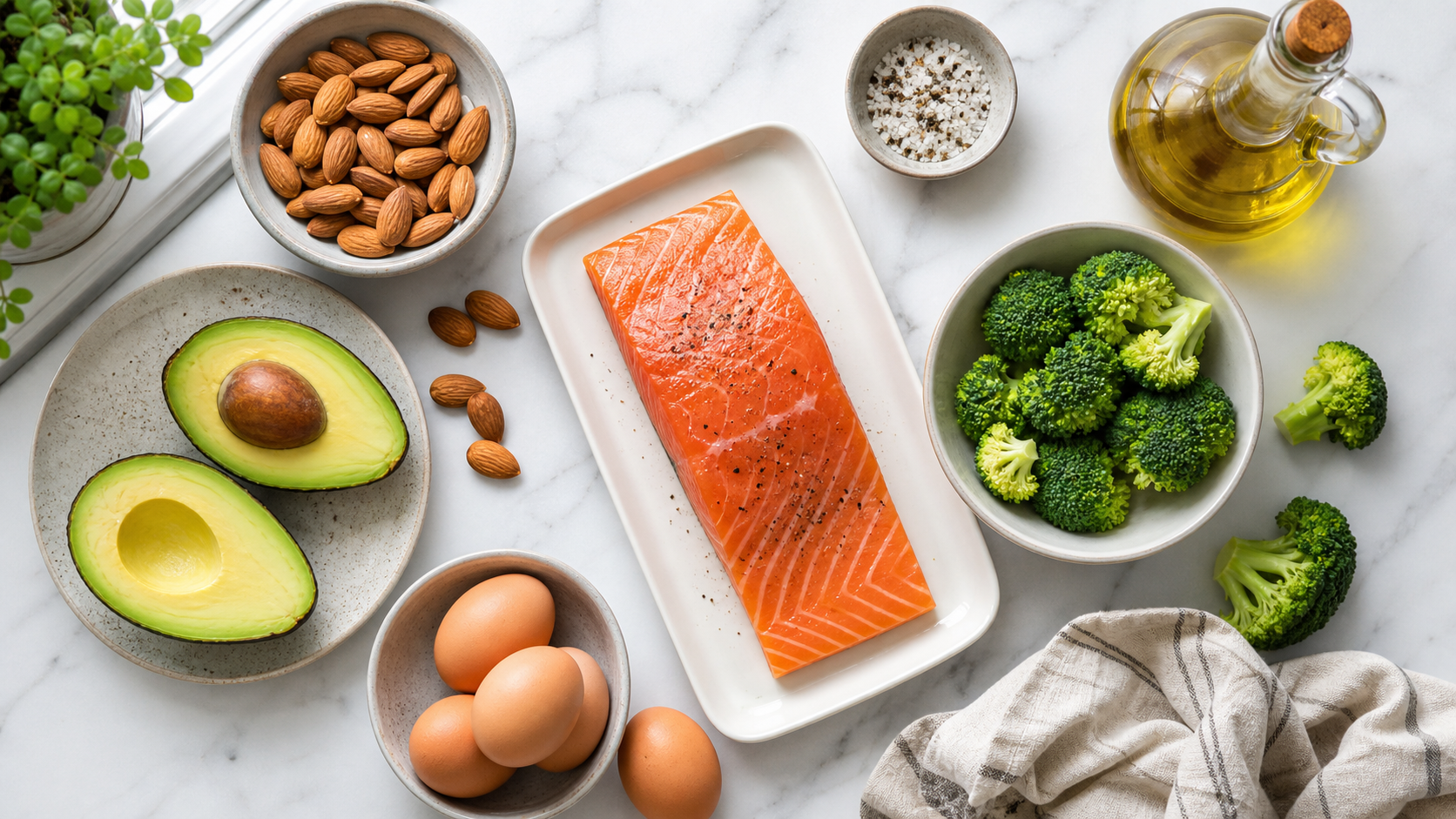
What Is Ketosis and How Does It Work in the Modern Metabolic Context?
Nutritional ketosis is a metabolic state wherein the body efficiently utilizes fat-derived ketone bodies—beta-hydroxybutyrate (BHB), acetoacetate, and acetone—as its primary fuel source instead of glucose. This shift is orchestrated by a significant reduction in insulin secretion, triggered when dietary carbohydrate intake falls below a personalized threshold, typically under 50 grams of net carbs daily for most individuals. The liver converts fatty acids from both dietary fat and adipose tissue into these ketones, which then cross the blood-brain barrier and fuel tissues throughout the body. Contemporary research, including a 2025 review in Cell Metabolism, defines therapeutic nutritional ketosis as maintaining blood BHB levels between 0.5 and 3.0 millimoles per liter (mmol/L), a range associated with improved cognitive function, stabilized energy, and enhanced fat oxidation.
Achieving this state is more complex than mere willpower because it involves a fundamental reprogramming of cellular energy pathways. The transition from glycolysis to ketolysis can induce temporary stress responses, including hormonal fluctuations and significant electrolyte depletion. Advanced continuous ketone monitoring (CKM) devices, now more accessible in 2026, show that the time to reach a baseline ketosis of 0.5 mmol/L varies from 48 to 120 hours, influenced by factors like prior diet, activity level, and individual insulin sensitivity. Without a strategic plan addressing these biochemical realities, individuals often experience the “keto flu”—symptoms like headache, fatigue, and irritability—and mistakenly conclude the diet is ineffective. Therefore, success hinges on viewing ketosis not as a simple dietary restriction but as a measurable metabolic endpoint achieved through systematic nutritional engineering.
How Do You Precisely Calculate Your Keto Macros for Optimal Results in 2026?
Personalized macronutrient calculation is the non-negotiable foundation of a successful keto start. Moving beyond generic percentages, the 2026 approach uses individual biomarkers and goals to determine targets. Follow this step-by-step process based on the latest sports nutrition guidelines and metabolic research to ensure you know exactly how to start keto successfully.
First, establish your daily protein intake. Protein is essential for preserving lean mass and promoting satiety during the metabolic shift. The 2025 International Society of Sports Nutrition position stand recommends 1.6 to 2.2 grams of protein per kilogram of body weight for active individuals on calorie-restricted diets. For a person weighing 75 kilograms (165 pounds), this translates to 120 to 165 grams of protein daily. Sedentary individuals should aim for a minimum of 1.2 grams per kilogram to support basic physiological functions.
Second, set your carbohydrate limit. To reliably induce ketosis, limit net carbohydrates—total carbs minus dietary fiber and certain sugar alcohols—to 20 grams per day for the initial two-week adaptation phase. Post-adaptation, some may tolerate up to 50 grams, as suggested by a 2024 study in Frontiers in Nutrition. Prioritize these carbs from nutrient-dense, fibrous sources such as avocados (3 grams net carbs per half), broccoli (4 grams net carbs per cup), and spinach (1 gram net carbs per cup raw).
Third, determine your fat intake based on your energy balance goals. Fat provides the remaining calories after accounting for protein and carbs. For example, if your target is 1900 calories for moderate weight loss, and you consume 130 grams of protein (520 calories) and 20 grams of net carbs (80 calories), your fat calories would be 1900 – 600 = 1300 calories. Since fat provides 9 calories per gram, this equals approximately 144 grams of fat. Utilize advanced tracking apps like Cronometer or MyFitnessPal, updated with 2026 food databases, to log intake with precision, ensuring you stay within 5% of your targets for optimal ketosis.
Why Is a Structured Meal Plan Your Most Powerful Weapon Against Keto Failure?
A meticulously crafted meal plan is the most critical tool for navigating the first 30 days of keto, a period where decision fatigue and intense cravings lead to a 73% higher lapse rate according to a 2025 behavioral science paper in Appetite. Planning eliminates daily guesswork and ensures nutritional adequacy, directly combating the hunger spikes and energy dips common during adaptation.
Construct your plan using a modular template. Each meal should combine a protein source (e.g., 150g of chicken thigh), a healthy fat (e.g., 2 tablespoons of olive oil or half an avocado), and a generous portion of non-starchy vegetables (e.g., 2 cups of mixed greens). This template simplifies grocery shopping and cooking while ensuring macro balance. For 2026, incorporate new keto-friendly products like mushroom-based pasta and lupin flour bread, which offer variety without compromising carb limits.
Meal timing can further enhance success. While not mandatory, incorporating a 16:8 time-restricted eating window—where you consume all calories within an 8-hour period—can synergize with keto by extending natural fasting periods and stabilizing blood sugar. Begin with three solid meals per day, and only add a fat-based snack like a serving of pecans or a cheese stick if genuine hunger arises. Prepping meals in bulk, such as cooking a large keto-friendly chili or sheet-pan salmon with vegetables, saves time and reduces the temptation to reach for non-compliant foods.
How Can You Proactively Prevent and Manage the Keto Flu?
The “keto flu,” a collection of symptoms including headache, muscle cramps, fatigue, and brain fog, is not an inevitable side effect but rather a preventable electrolyte imbalance. During the initial week of keto, the body sheds excess water and sodium due to lower insulin levels, dragging minerals like potassium and magnesium along with it. A 2026 clinical protocol from the Keto Medicine Association recommends preemptive supplementation from day one.
Target the following daily electrolyte intake, exceeding standard dietary reference intakes due to increased urinary excretion on keto:
- Sodium: 5000-7000 mg from broth, salted foods, or electrolyte supplements.
- Potassium: 3000-4
Related reading: Ultimate Yu Sleep Review 2026: The Truth About Insomnia