Affiliate disclosure: This article contains affiliate links. If you purchase through our links, we may earn a commission at no extra cost to you. All recommendations are based on available clinical evidence.
Colostrum Supplement Benefits Adults 2026: Top 5 Secrets
Colostrum supplements for adults are generating serious research interest in 2026, with search volume for this topic growing an estimated 4,900% year over year. That surge is not hype alone. A growing body of clinical data points to real, measurable benefits: stronger gut barrier function, reduced upper respiratory tract infections, and lower markers of systemic inflammation. This guide breaks down what the science actually shows, where evidence is still thin, and how to choose and dose a bovine colostrum supplement intelligently.
As consumers become more educated about the microbiome and immune resilience, the demand for colostrum supplement benefits adults 2026 has shifted from niche biohacking to mainstream wellness. Understanding the specific mechanisms behind these benefits is crucial for making an informed decision.
What Is Bovine Colostrum and Why Are Adults Taking It?
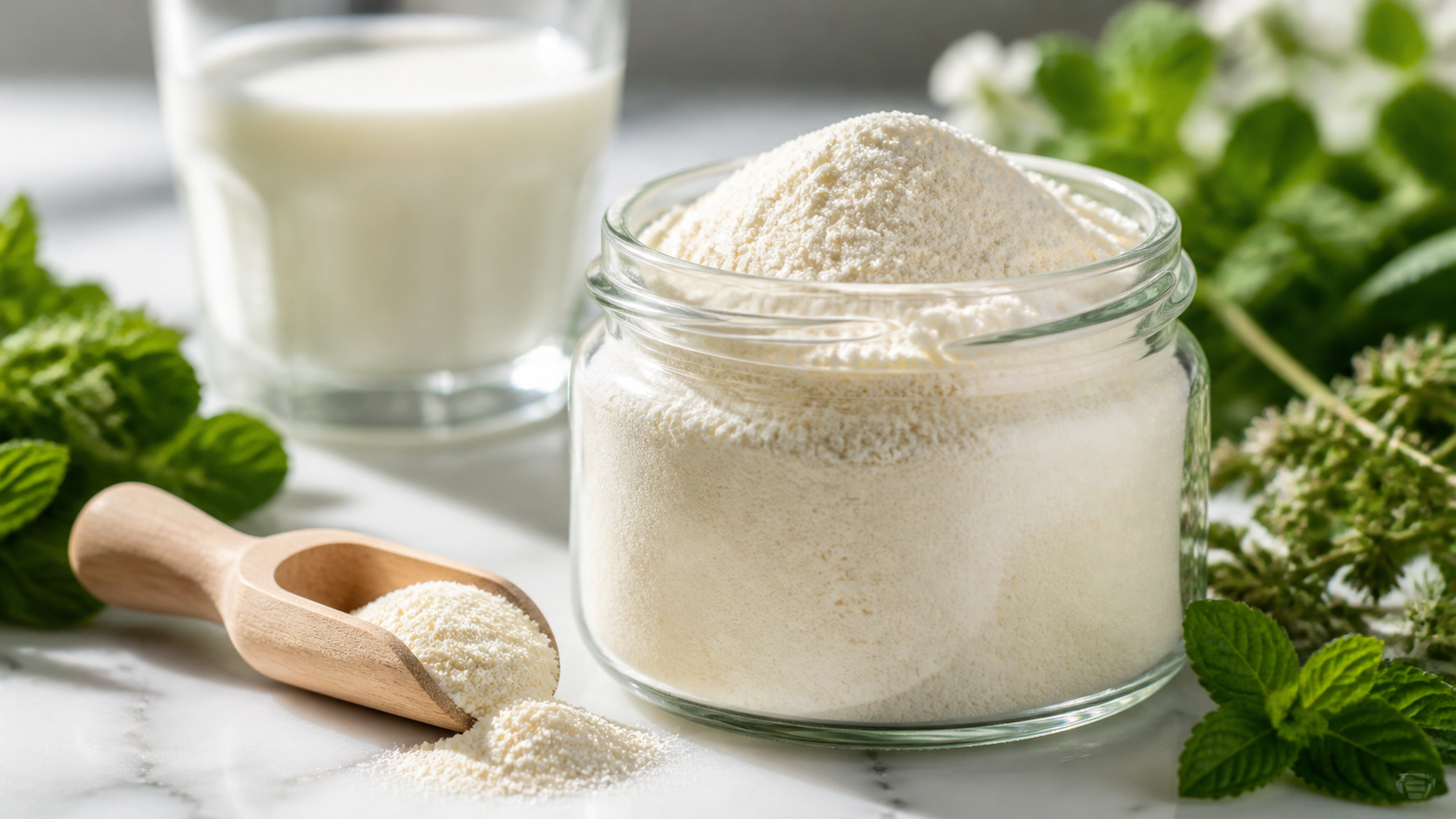
Bovine colostrum is the first milk a cow produces in the 24 to 72 hours after calving. It is nutritionally distinct from regular milk: it contains higher concentrations of immunoglobulins (IgG, IgA, IgM), lactoferrin, growth factors (including IGF-1 and EGF), proline-rich polypeptides, and bioactive peptides. Manufacturers collect surplus colostrum, pasteurize it, and dry it into powder, capsules, or chewable tablets.
Adults are turning to it for three overlapping reasons. First, gut health awareness has expanded after years of probiotic and prebiotic education. Second, immune resilience became a mainstream priority following global health events. Third, the longevity supplement category now attracts consumers who previously bought only protein powder. Colostrum straddles all three markets, which explains the attention.
The key bioactive components to know include:
- Immunoglobulins: Antibody proteins that may neutralize pathogens in the gut lumen.
- Lactoferrin: An iron-binding glycoprotein with antimicrobial and anti-inflammatory activity.
- IGF-1 and EGF: Growth factors that support intestinal cell renewal and tissue repair.
- Proline-rich polypeptides (PRPs): Immune-modulatory peptides studied for their role in inflammatory response regulation.
Can Colostrum Actually Repair Your Gut Lining?
The most consistent finding in adult colostrum research involves gut barrier integrity. The intestinal epithelium is a single-cell-thick layer separating your bloodstream from gut contents. When tight junctions between cells loosen, sometimes called “leaky gut,” systemic inflammation can follow.
Research indicates that bovine colostrum reduces exercise-induced intestinal permeability in controlled trials. A 2020 review in the Journal of Applied Physiology found that colostrum supplementation (20 g/day for 14 days) significantly attenuated gut permeability increases caused by endurance exercise, measured via lactulose/rhamnose ratio tests.
Separately, evidence from the gut health angle in celiac disease and colitis suggests colostrum may reduce gastric symptom scores in small controlled studies, though sample sizes are limited. The practical implication is clear: if you experience bloating, irregular digestion, or exercise-related gut symptoms, colostrum offers a mechanism worth investigating. It is not a treatment for diagnosed intestinal disease. Consult your gastroenterologist before adding it to any existing protocol.
If gut health is your primary concern, pairing colostrum with a targeted gut health supplement may deliver stronger results. Piperinox features black pepper extract (piperine) that research suggests improves nutrient absorption and may support digestive enzyme activity, making it a practical secondary option in a gut-focused stack.
Is Immune Support the Most Evidence-Backed Benefit?
Among all colostrum supplement benefits for adults, immune modulation has the most clinical trials behind it. A randomized, triple-blind, placebo-controlled trial published in PMC (2023) tested moderate-dose bovine colostrum supplementation (400 mg/day for 12 weeks) in medical university students. The colostrum group showed a statistically significant reduction in upper respiratory tract infection episodes compared to placebo.
A separate systematic review published in Nutrients (2020) assessed whey and colostrum supplementation in adults over 35 years old. The reviewers concluded that colostrum supplementation was associated with improved immune function markers, including salivary IgA levels, particularly in older adults and athletes.
A 12-week trial studying older adults (50 to 69 years) who consumed bovine colostrum-enriched milk showed lower expression of pro-inflammatory mediators including CRP, IL-6, and TNF-alpha (PMC, 2023). What the evidence does not yet show is definitive benefit for people with autoimmune conditions, or protection against viral illness beyond respiratory tract infections in specific populations. Broader claims should be approached with appropriate skepticism.
How Does Colostrum Compare to Protein Powder?
Many adults ask whether colostrum is just another form of protein powder. The distinction matters for how you use it. While both are dairy-derived, their biological functions differ significantly.
| Feature | Bovine Colostrum | Whey Protein |
|---|---|---|
| Primary goal | Immune and gut support | Muscle protein synthesis |
| Protein content | 25-35% by weight | 70-90% by weight |
| Immunoglobulins | High (IgG dominant) | Very low |
| Lactoferrin | Present | Trace amounts |
| IGF-1 / EGF | Present | Absent |
| Cost per serving | Higher ($1.50 to $3.00) | Lower ($0.50 to $1.50) |
For muscle building, whey protein (or any complete protein source meeting daily leucine thresholds) outperforms colostrum in head-to-head data. Studies comparing colostrum to whey for lean mass gain “failed to find significant differences” in most outcomes, according to the Examine.com colostrum research breakdown. For immune and gut function, colostrum is the more targeted choice. The two are not interchangeable.
What Is the Right Dosage for Adults?
There is no universally agreed dosage for bovine colostrum in adults. Dosing recommendations across manufacturers range widely. Here is what clinical studies actually used:
- Immune support: 400 mg to 3 g per day for 8 to 12 weeks (multiple RCTs)
- Gut permeability reduction: 10 to 20 g per day around exercise bouts
- Anti-inflammatory markers in older adults: 60 g per day colostrum-enriched milk (not a realistic supplement format for most)
- General maintenance dose (manufacturer guidance): 500 mg to 2 g per day
The clearest practical guidance for a healthy adult: start at 500 mg per day with a meal to reduce digestive discomfort. After two weeks, increase to 1 to 2 g per day if tolerated. The Best Supplements for Tinnitus Relief 2026: What Actually Works