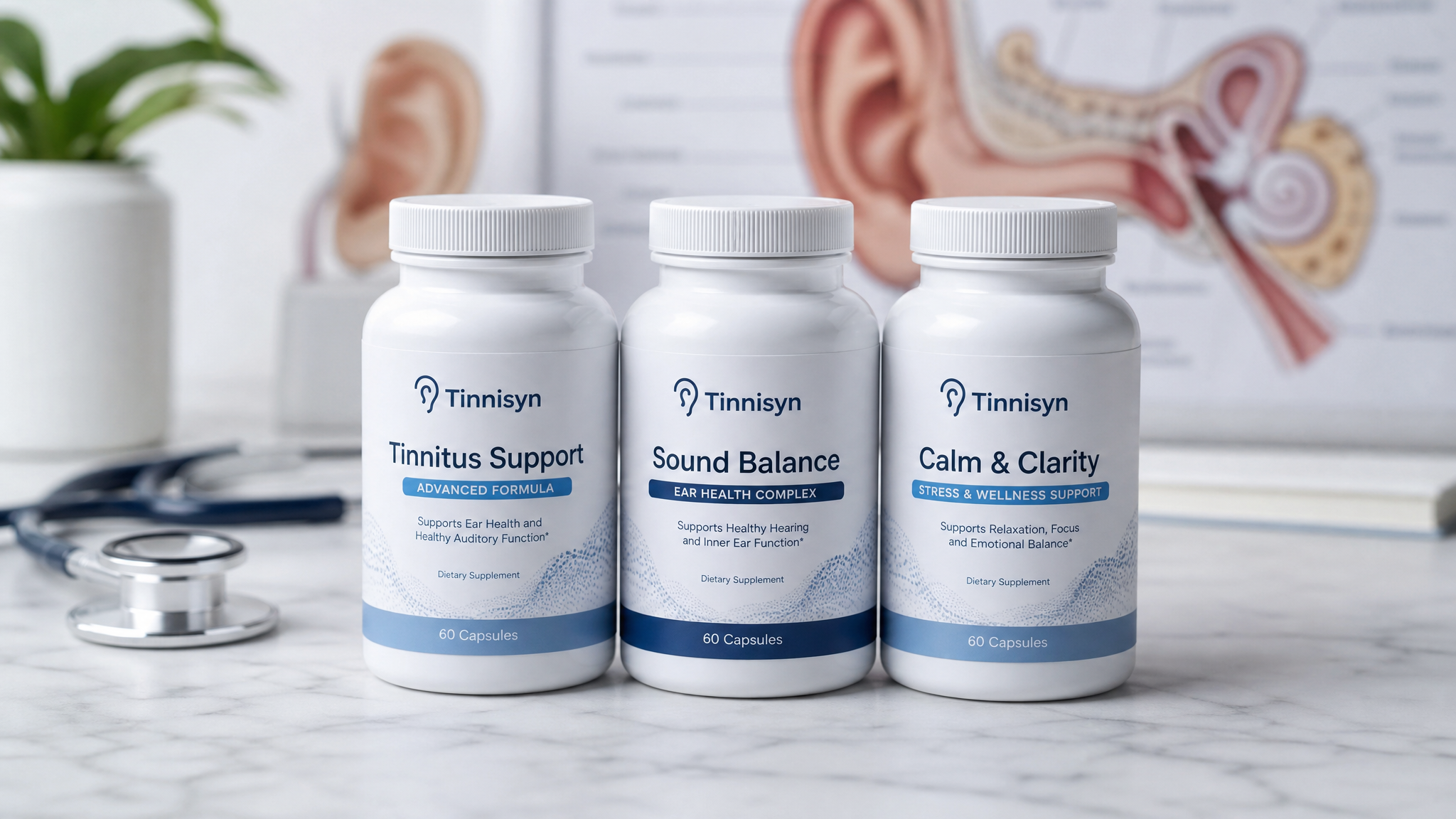
Audifort vs Silencil vs Quietum Plus: 2026 Shocking Truth
We cannot justify choosing Audifort, Silencil or Quietum Plus as a tinnitus treatment. The previous comparison assigned a winner by matching ingredient mechanisms to supposed tinnitus subtypes. It did not establish that those products improve tinnitus in people taking the finished formulas.
We have removed the unverified trial results, exact ingredient amounts and third-party audit claims. This review contains no personal product test and no verified current label comparison.
What the evidence gap means for each product
| Product | Actual current formula independently verified? | Relevant finished-formula clinical result established in the cited sources? | Buying verdict for tinnitus |
|---|---|---|---|
| Audifort | No | No | Not recommended on this evidence |
| Silencil | No | No | Not recommended on this evidence |
| Quietum Plus | No | No | Not recommended on this evidence |
These findings concern the documents reviewed, not a claim that we searched every possible publication or inspected every bottle. A meaningful comparison would need a traceable study, an appropriate comparator and an outcome that matters to people with tinnitus.
A real prevalence figure is not a response rate
NIDCD reports survey estimates of tinnitus in 10%–25% of adults. In a hypothetical group of 100 adults, that range would correspond to 10–25 adults: percentage × 100 ÷ 100. The range spans 15 percentage points, calculated as 25 − 10. It describes prevalence estimates from surveys, not the number who respond to a supplement.
That distinction prevents a common error in commercial reviews: a common condition does not create proof of an effective product. Tinnitus can have different causes and can affect people differently. Those differences do not establish a supplement-selection algorithm.
What to do before comparing bottles
Ask for an assessment of the ringing and, where appropriate, hearing. A clinician can look for earwax, infection, medicines or another relevant cause. NIDCD describes sound-based approaches, hearing aids when hearing loss is present, and behavioral therapies that can reduce the impact of tinnitus. Advertised supplements have not demonstrated an effective treatment for the condition.
Sudden hearing loss needs urgent medical care, including when it occurs with ringing. Ringing that pulses with your heartbeat also deserves an assessment. Do not use a seller’s suggested purchase period as a reason to wait.
If a supplement is being considered for a separate reason
A documented nutrient deficiency may warrant treatment, but that is a separate decision from buying a tinnitus blend. Take the actual label and your medication list to a pharmacist or clinician. An undisclosed ingredient amount can prevent a useful interaction or dose assessment. “Natural” is not a safety finding.
Our verdict
No surprise winner survives this evidence check. We would put the money toward an appropriate hearing evaluation and help with the impact of tinnitus. A new product trial could change the comparison; an antioxidant story, a testimonial or a quality logo cannot substitute for it.
Related coverage
These links preserve the site’s existing reading paths. A linked supplement review is not evidence that its product works.
- NuviaLab Keto vs Keto Charge vs Perfect Keto: 2026 Shocking Truth
- Ultimate Yu Sleep Review 2026: The Truth About Insomnia
- Audifort Hearing Supplement Review 2026
Comment cet article a été préparé / How this article was prepared: AI assisted with this rewrite. The cited public sources were opened, the numerical comparisons were checked, and an independent AI model reviewed the health figures. No product, patient or personal-use testing was performed for this article. This is a documentary review, not an individual diagnosis or a clinician’s sign-off.