Best Supplements for Stress and Anxiety Relief 2026
Nearly 77% of American adults report physical symptoms caused by stress, according to data from the American Psychological Association. As we move through 2026, that number continues to climb as modern life demands increase, digital burnout becomes more prevalent, and economic pressures mount. The modern nervous system is under constant siege from notifications, news cycles, and high-pressure work environments. If you have been searching for natural ways to manage tension, you are not alone. Supplements for stress and anxiety relief have gained strong research backing in recent years, offering a practical addition to therapy, exercise, and sleep hygiene.
This guide breaks down the best supplements for stress and anxiety relief in 2026, backed by clinical evidence and reviewed by nutritional science standards. You will find dosage guidance, a head-to-head comparison of mechanisms, and answers to the most common questions people ask about natural stress support. Whether you are dealing with acute panic attacks or chronic burnout, understanding the biological mechanisms behind these compounds is the first step toward relief. Unlike prescription medications, these supplements are available over the counter and carry fewer side effects for most people, though professional guidance is always recommended before starting a new regimen. For more on restorative practices, see our guide on Best Natural Sleep Aids 2026: 7 Science-Backed Options.
What are stress and anxiety relief supplements? Stress and anxiety relief supplements are natural compounds, including vitamins, minerals, amino acids, and herbal extracts, that target the body’s stress-response pathways. They work through mechanisms such as modulating cortisol levels, supporting GABA receptor activity, or reducing oxidative stress in the nervous system. They are designed to support homeostasis rather than force sedation.


What Are the Most Effective Supplements for Stress in 2026?
The most effective supplements for stress in 2026 are ashwagandha, magnesium glycinate, L-theanine, and omega-3 fatty acids. Each of these has at least two randomized controlled trials showing measurable reductions in cortisol or self-reported anxiety scores. While many products claim to cure anxiety instantly, these four stand out due to their consistent performance in peer-reviewed literature and their safety profiles for long-term use. In 2026, the focus has shifted from single-ingredient miracles to synergistic stacks that address multiple biological pathways.
Ashwagandha (Withania somnifera)
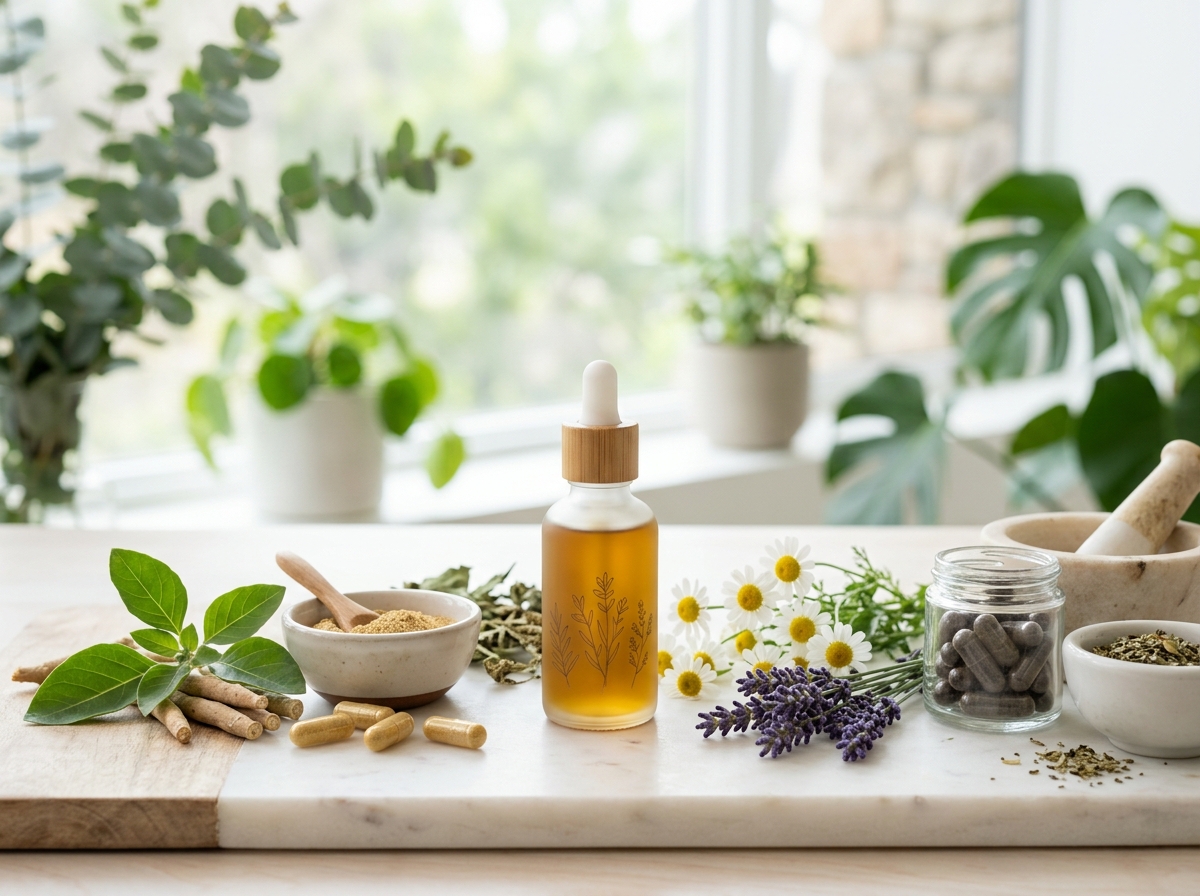
Ashwagandha remains the top-researched adaptogen for stress. A 2022 systematic review published in the Journal of Ethnopharmacology analyzed 12 clinical trials and concluded that ashwagandha root extract at 300-600 mg daily significantly reduced perceived stress and serum cortisol compared to placebo. The KSM-66 and Sensoril forms are the most studied and offer the highest concentration of active withanolides, ensuring potency. Users often report improved sleep quality and reduced feelings of overwhelm within two weeks of consistent use. It is particularly effective for those whose stress manifests as physical exhaustion or adrenal fatigue.
Magnesium Glycinate
Magnesium glycinate targets the nervous system directly. Roughly 50% of the U.S. population does not meet the recommended daily intake of magnesium, which plays a role in over 300 enzymatic reactions, including GABA regulation. A 2023 meta-analysis in Nutrients confirmed that magnesium supplementation reduced subjective anxiety in mildly anxious populations, particularly those with deficiencies. It is crucial for relaxing tight muscles and calming a racing mind before bed. Deficiency symptoms often mimic anxiety, making supplementation a critical first step.
L-Theanine
L-theanine, an amino acid found in green tea, promotes alpha brain wave activity within 30-40 minutes of ingestion. It does not cause drowsiness, making it suitable for daytime use when you need to remain productive. It is unique because it induces relaxation without sedation. Dosages typically range from 100 mg to 200 mg per serving, often paired with coffee to negate jitteriness. This makes it an ideal choice for professionals who need to maintain focus while managing underlying tension.
Omega-3 Fatty Acids
Omega-3 fatty acids (EPA and DHA) from fish oil or algae have shown anti-inflammatory effects that lower neuroinflammation linked to anxiety disorders. Chronic inflammation is increasingly recognized as a root cause of mood instability and cognitive decline. High-EPA formulations are specifically preferred for mood support, with studies suggesting a ratio of 2:1 EPA to DHA is optimal for mental health benefits. You can verify general health guidelines via the NIH health information portal. Consistent intake over three months is usually required to see substantial changes in mood regulation.
Additionally, Vitamin B Complex and Rhodiola Rosea are gaining traction in 2026. B vitamins are essential for energy production and neurotransmitter synthesis, while Rhodiola helps combat fatigue associated with chronic stress. However, the core four listed above remain the foundation of any effective regimen. Further lifestyle context can be found in CDC healthy living guidelines.
How Does Ashwagandha Reduce Cortisol Levels?
Ashwagandha reduces cortisol levels by modulating the hypothalamic-pituitary-adrenal (HPA) axis, which is the body’s central stress-response system. When you are stressed, the HPA axis signals the adrenal glands to release cortisol. Chronic activation of this system leads to burnout, weight gain, and sleep disturbances. Ashwagandha acts as a brake on this system, helping the body return to homeostasis faster after a stressor occurs. This regulatory effect is what classifies it as an adaptogen rather than a simple sedative.
In a double-blind, placebo-controlled trial involving 64 adults with chronic stress, participants taking 300 mg of ashwagandha root extract twice daily saw a 27.9% reduction in serum cortisol after 60 days. Stress scores on the PSS (Perceived Stress Scale) dropped by 44% compared to 5.5% in the placebo group. This demonstrates a significant clinical impact on how stress is perceived and physiologically processed. The long-term implication is a reduced risk of stress-related conditions such as hypertension and insulin resistance.
The withanolides in ashwagandha, particularly withaferin A and withanolide D, appear to be responsible for these effects. They influence GABA-mimetic activity, meaning they work on the same receptor pathway as anti-anxiety medications but at a milder, non-sedating level. This makes them suitable for daily maintenance rather than just acute crisis management. Users should note that effects are cumulative, building up over weeks rather than providing an immediate fix like a benzodiazepine.
Practical considerations: Start with 300 mg daily for the first week, then increase to 600 mg if needed. Take it with food to improve absorption and reduce the risk of stomach upset. Most clinical trials use standardized extracts with 5% withanolides. Avoid ashwagandha if you are pregnant, breastfeeding, or taking thyroid medication without consulting a healthcare provider first, as it can influence thyroid hormone levels. Cycling the supplement (taking breaks every few months) is also recommended to prevent tolerance buildup.
Which Magnesium Form Is Best for Anxiety?
Magnesium glycinate is the best form for anxiety because glycine itself has calming properties, and this form has the highest bioavailability with the fewest digestive side effects. Magnesium oxide and citrate are cheaper but more likely to cause GI discomfort, such as diarrhea, which can exacerbate stress rather than relieve it. For individuals seeking mental calmness without digestive distress, glycinate is the superior choice. The chelation of magnesium to glycine allows for better absorption through the intestinal wall.
Other forms serve different purposes. Magnesium L-threonate is notable for its ability to cross the blood-brain barrier effectively, potentially supporting cognitive function and memory alongside stress relief. However, it is often more expensive. Magnesium taurate is another option that supports heart health, which can be beneficial since stress often manifests as palpitations or high blood pressure. Regardless of the form, consistency is key. It may take several weeks to replenish cellular magnesium stores sufficiently to notice a profound change in anxiety levels.
For optimal results, take magnesium glycinate in the evening. Since it promotes muscle relaxation and supports the production of melatonin, it doubles as a sleep aid. A typical dosage ranges from 200 mg to 400 mg of elemental magnesium per day. Always check the label for elemental magnesium content rather than total compound weight to ensure accurate dosing. Taking it with a small snack can further enhance absorption.
How to Integrate Supplements Into Your Daily Routine
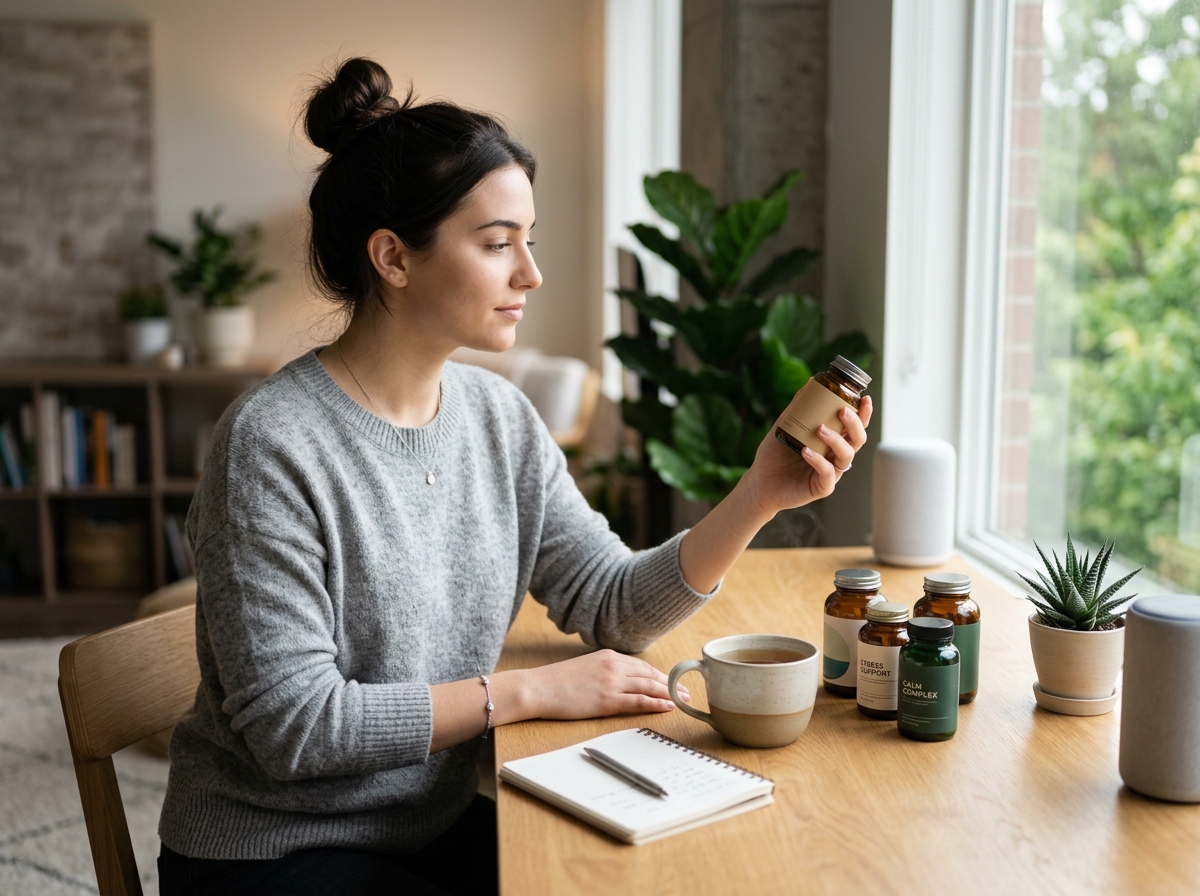
Successfully managing stress requires more than just swallowing pills; it requires a strategic routine. Timing matters significantly for efficacy. For example, taking L-theanine in the morning can set a calm tone for the day, while magnesium is best reserved for the evening to support sleep onset. Ashwagandha can be taken with breakfast or dinner, but consistency in timing helps maintain stable blood levels of the active compounds. Creating a ritual around supplementation can also serve as a psychological cue for relaxation.
Furthermore, hydration plays a critical role. Many supplements require adequate water intake for proper metabolism and distribution throughout the body. Dehydration can mimic anxiety symptoms, such as increased heart rate and brain fog, undermining the benefits of your supplement regimen. Aim for at least 2 liters of water daily alongside your supplementation. Keeping a journal to track your mood and stress levels alongside your supplement intake can help you identify what works best for your unique biology.
What Safety Considerations Should You Know Before Starting?
While natural supplements are generally safer than prescription pharmaceuticals, they are biologically active and can interact with medications. For instance, Ashwagandha may amplify the effects of sedatives or thyroid medications. Omega-3s have a mild blood-thinning effect, which should be monitored if you are on anticoagulants. Magnesium can interfere with the absorption of certain antibiotics if taken simultaneously. It is always wise to space out supplements and medications by at least two hours unless directed otherwise by a physician.
It is crucial to introduce one supplement at a time. This allows you to isolate any adverse reactions and determine efficacy. If you have pre-existing conditions such as kidney disease, autoimmune disorders, or hormone-sensitive conditions, consult your physician before beginning any new regimen. Quality also matters; look for third-party testing seals like NSF or USP to ensure the product contains what the label claims without heavy metal contamination. The supplement industry is not as tightly regulated as pharmaceuticals, so due diligence is required.
Furthermore, lifestyle factors play a massive role in supplement efficacy. No pill can fully counteract the effects of chronic sleep deprivation or a diet high in processed sugars. Integrating these supplements with regular physical activity and mindfulness practices yields the best long-term results for anxiety management. Supplements should be viewed as part of a broader toolkit for health, not a standalone cure.
Frequently Asked Questions About Stress Supplements
Most supplements like Ashwagandha and Magnesium require consistent use for 2 to 4 weeks before significant effects are felt. L-theanine works faster, often within 30 minutes, providing acute relief rather than long-term regulation.
Yes, many people stack Magnesium Glycinate with Ashwagandha or L-Theanine. However, introduce one supplement at a time to monitor how your body reacts and to identify any potential sensitivities.
While generally safe, side effects can include digestive upset, drowsiness, or mild headaches. Always consult a doctor if you are on prescription medication to avoid adverse interactions.
Magnesium and Omega-3s are generally safe for long-term use. Adaptogens like Ashwagandha should be cycled