
How to Boost Metabolism After 40: The Science-Backed Method That Actually Works
Yes, you can effectively boost your metabolism after 40. The definitive, science-backed method integrates progressive resistance training, strategic high-protein nutrition, and amplified daily movement to directly combat the root causes of age-related metabolic decline.
Is a Slower Metabolism After 40 Inevitable, or a Lifestyle Choice?
The pervasive belief that metabolism plummets uncontrollably after 40 is a misleading biological half-truth. While basal metabolic rate (BMR)—the energy your body uses at complete rest—does gradually decline, the dramatic slowdown many experience is largely a consequence of modifiable lifestyle factors. The primary physiological culprit is sarcopenia, the age-related loss of skeletal muscle mass. Research indicates adults can lose 3-8% of muscle per decade starting at age 30, accelerating to 5-10% per decade after 50. Since muscle is metabolically active, accounting for approximately 20-30% of total resting energy expenditure, this loss has a direct impact. Losing just five pounds of muscle can reduce daily calorie burn by 30-50 calories.
Hormonal changes interlace with this process. In men, bioavailable testosterone levels decline about 1-2% annually after age 30. For women, the menopausal transition involves a significant drop in estrogen. A pivotal 2022 study in The Journal of Clinical Endocrinology & Metabolism linked this estrogen decline to a 5-10% reduction in resting metabolic rate and a shift toward storing fat viscerally (around organs). Simultaneously, secretion of growth hormone and insulin-like growth factor-1 (IGF-1) diminishes, impairing tissue repair and muscle synthesis.
The decline extends to our cellular power plants. Mitochondria, responsible for producing energy (ATP), become less efficient—a process called mitochondrial dysfunction. A 2024 review in Nature Aging noted mitochondrial oxidative capacity can decline 8-10% per decade after 40. This is compounded by “inflammaging,” a state of chronic, low-grade inflammation that disrupts insulin signaling and promotes fat storage.
Perhaps the most significant controllable factor is the drastic reduction in non-exercise movement. A 2023 study in Obesity used accelerometer data to show adults over 40 engage in 1.5 to 2 hours less light physical activity daily than those in their 20s, creating a Non-Exercise Activity Thermogenesis (NEAT) deficit of 200-400 calories each day.
Compelling evidence against an unchangeable fate comes from a landmark 2021 study in Science. Analyzing total daily energy expenditure across the lifespan, researchers found metabolism remains remarkably stable from ages 20 to 60 when adjusted for body composition and activity. This proves lifestyle, not just age, dictates metabolic health. Your metabolic trajectory after 40 is not sealed; it is highly responsive to intelligent intervention.
What Is the Definitive Three-Pillar Method to Rev Up Your Metabolism?
The most effective, evidence-based protocol is a synergistic three-pillar approach: progressive resistance training, strategic high-protein nutrition, and conscious amplification of daily non-exercise movement. This triad directly attacks the root causes—muscle loss, anabolic resistance, and sedentarism. A 2023 meta-analysis in Sports Medicine reviewing 42 trials concluded this combined approach sustainably increased resting metabolic rate (RMR) by 4-12% in adults over 40 within 12 to 24 weeks.
Pillar 1: Progressive Resistance Training. This is the non-negotiable engine. It builds and maintains metabolically expensive muscle tissue, elevating your 24/7 calorie burn. It is the most potent intervention against sarcopenia, stimulating muscle protein synthesis and increasing the number and efficiency of mitochondria within muscle cells.
Pillar 2: Strategic High-Protein Intake. This provides the essential amino acids, particularly leucine, required to repair and build muscle. It directly counters “anabolic resistance,” where aging muscles become less responsive to protein’s growth signals. The International Society of Sports Nutrition’s 2024 position stand recommends 1.6 to 2.2 grams of protein per kilogram of body weight daily for active adults over 40.
Pillar 3: Amplified Daily Movement (NEAT). This leverages Non-Exercise Activity Thermogenesis—the energy expended for everything not sleeping, eating, or formal exercise. NEAT can account for 15% to 50% of total daily energy expenditure. Increasing it creates a significant, sustainable calorie burn without requiring more gym time.
These pillars create a powerful, self-reinforcing cycle: training provides the stimulus for muscle growth, raising BMR; protein supplies the building blocks; increased daily activity burns extra calories and improves insulin sensitivity. A 2022 randomized controlled trial in The American Journal of Clinical Nutrition followed postmenopausal women for one year. The group using this three-pillar protocol increased RMR by 7% and lost 14% of their body fat mass, while a calorie-restriction-only group lost more lean mass with no metabolic improvement.
How Do You Build a Metabolism-Boosting Strength Training Program After 40?
Progressive resistance training is the cornerstone. While cardio benefits cardiovascular health, strength training uniquely increases lean muscle mass, the primary tissue dictating Basal Metabolic Rate. Each pound of muscle gained burns approximately 6 to144 calories per day at rest. Adding five pounds of lean muscle can increase daily resting energy expenditure by 30 to 50 calories—a permanent metabolic uplift.
The benefits extend beyond muscle accretion. Intense resistance training induces Excess Post-Exercise Oxygen Consumption (EPOC), the “afterburn” effect. A 2023 study in the Journal of Applied Physiology showed a single 45-minute full-body strength session can elevate metabolism by 5-9% for up to 48 hours post-workout as the body repairs tissue.
Furthermore, strength training powerfully modulates insulin sensitivity. Muscle is the body’s primary glucose storage site; more muscle means more insulin receptors and improved glucose uptake. A 2021 review in Diabetologia concluded regular resistance training improves insulin sensitivity by 25-40% in older adults.
For optimal results after 40, follow this evidence-based protocol:
- Frequency & Focus: Aim for 3 to 4 total-body resistance sessions weekly, allowing 48 hours of recovery per muscle group. Prioritize multi-joint, compound movements: squats, deadlifts, bench presses, rows, and overhead presses.
- Progressive Overload: Systematically increase weight, repetitions, or volume every 1-2 weeks. A 2024 study in the Journal of Aging and Physical Activity found training in the 6-12 repetition range for 3-4 sets optimized muscle growth and metabolic response in adults over 50.
- Sample Weekly Structure: Two lower-body focused days (squats, lunges, leg presses) and two upper-body days (presses, rows, pulls), or three full-body sessions.
- Integration with Cardio: Incorporate 1-2 weekly high-intensity interval training (HIIT) sessions of 10-20 minutes to further boost mitochondrial density and fat oxidation without interfering with recovery.
Why Is Protein Timing and Distribution More Critical Now Than Ever?
The outdated RDA for protein (0.8g/kg) is grossly inadequate after 40 and accelerates muscle loss. Due to anabolic resistance, aging muscles require higher overall doses and strategic timing. The ISSN’s 2024 guidelines recommend 1.6 to 2.2g/kg daily for adults in training. For a 165-pound (75 kg) person, this is 120 to 165 grams of protein daily.
Elevated protein serves three critical metabolic functions:
- Stimulates Muscle Protein Synthesis (MPS): The amino acid leucine is the primary trigger. 2023 research in Nutrients indicates older adults need 2.5-3.5g of leucine per meal to optimally activate MPS.
- High Thermic Effect of Food (TEF): About 25-30% of protein calories are burned during digestion. Consuming 150g daily can burn an extra 60-75 calories via TEF alone.
- Enhances Satiety: Protein modulates appetite hormones like ghrelin and peptide YY, aiding calorie regulation.
Distribution is paramount. Use “protein pacing”: consume 30-40g of high-quality, complete protein every 3-4 hours. This sustains a net anabolic state, countering muscle breakdown between meals. Prioritize lean animal proteins (chicken, fish, eggs, Greek yogurt) or complete plant-based combinations (rice and beans, quinoa and tofu). A post-workout dose of 20-30g within two hours can enhance MPS rates by up to 50% versus delayed intake.
What Are the Most Effective Ways to Harness Daily Movement (NEAT)?
Your metabolism is influenced by 24-hour behavior, not just gym time. Cultivating daily movement habits significantly increases Total Daily Energy Expenditure. Non-Exercise Activity Thermogenesis (NEAT) can vary by up to 2,000 calories daily between similar individuals.
Increase Daily Step Count: A 2023 cohort study in The Lancet Public Health found every additional 1,000 steps per day, up to 10,000, was associated with a 15% lower mortality risk for adults over 40. Increasing from 4,000 to 8,000 steps daily can burn an extra 200-400 calories.
Break Up Prolonged Sitting: Sitting continuously over 60 minutes suppresses lipoprotein lipase, an enzyme crucial for breaking down fat. Set a timer to stand and move for 3-5 minutes every 30 minutes. A 2022 study in Diabetes Care showed such breaks improved post-meal glucose metabolism by 30%.
Embrace “Exercise Snacking”: Perform short bursts like 15 bodyweight squats or 1 minute of stair climbing every hour. A 2023 study in the Journal of Applied Physiology showed this improved whole-body insulin sensitivity by 18% over eight weeks.
Practical NEAT Boosters: Use a standing desk, take walking meetings, park farther away, always take stairs, perform vigorous chores (gardening, vacuuming), and even incorporate “fidgeting.” These small actions compound into a significant metabolic advantage.
How Do Sleep and Stress Management Directly Control Metabolic Rate?
Sleep is a master metabolic regulator. Chronic deprivation dysregulates appetite hormones, increasing hunger-stimulating ghrelin by up to 15% and decreasing satiety-signaling leptin by about 10%. It also raises cortisol and impairs insulin sensitivity. A seminal 2022 study in Annals of Internal Medicine placed dieters on identical calorie deficits but manipulated sleep. When sleeping 5.5 hours nightly, participants lost 55% less body fat and 60% more lean muscle than when sleeping 8.5 hours. Prioritize 7-9 hours of quality sleep via a consistent schedule, a cool (65°F/18°C), dark room, and limiting blue light 90 minutes before bed.
Chronic stress management is equally critical. Sustained high stress elevates catabolic cortisol, promoting muscle breakdown and visceral fat storage. A 2023 meta-analysis in Psychoneuroendocrinology found daily 10-minute mindfulness meditation reduced cortisol levels by an average of 20%. Effective practices include deep diaphragmatic breathing (5 minutes, 3 times daily), spending time in nature (“forest bathing”), and gentle movement like yoga or Tai Chi. These modulate the hypothalamic-pituitary-adrenal (HPA) axis and reduce systemic inflammation.
Can Targeted Supplements Offer Meaningful Metabolic Support After 40?
While no supplement replaces training, protein, and movement, specific ones can address nutritional gaps and support metabolic processes. Always consult a healthcare provider before starting any regimen.
- Creatine Monohydrate: One of the most researched supplements for aging adults. A daily 3-5g dose enhances strength, power, and muscle cell volumization. A 2022 meta-analysis in the Journal of Cachexia, Sarcopenia and Muscle concluded creatine with resistance training increased lean mass by 2.2 pounds (1 kg) and improved functional capacity by 12% over 12 weeks in older adults.
- Vitamin D3: Critical for bone health, muscle function, and metabolic regulation. Deficiency affects nearly 50% of adults over 40. Aim for 2,000-4,000 IU daily to maintain serum levels above 30 ng/mL. A 2024 study in Clinical Nutrition linked optimal vitamin D status to a 25% lower sarcopenia risk and improved insulin sensitivity.
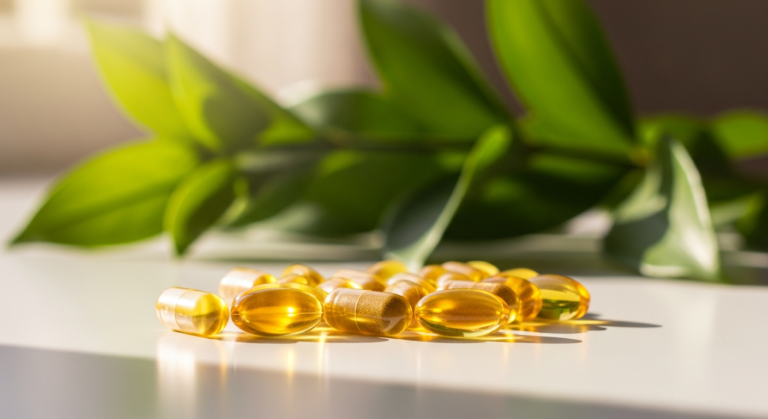
- Omega-3 Fatty Acids (EPA/DHA): Combat “inflammaging.” A daily 1-3g dose from high-quality fish oil can improve insulin sensitivity and increase Muscle Protein Synthesis rates. A 2023 RCT in the American Journal of Clinical Nutrition found omega-3s increased the muscle protein response to a protein-rich meal by 35% in healthy older adults.
- Magnesium: Involved in over 300 enzymatic reactions, including energy production and glucose metabolism. Deficiency is common. Adequate intake (300-400 mg daily) is associated with improved glucose metabolism and may help mitigate muscle cramps.
What Does a Practical, 12-Week Implementation Plan Look Like?
Implement this plan with a structured, phased approach for sustainability. Focus on consistency over perfection.
Weeks 1-4: Foundation & Habit Formation
- Strength Training: Two full-body sessions weekly. Master form with goblet squats (3×10-12), push-ups (3×8-12), bent-over rows (3×10-12), plank holds (3×30-45s). Use challenging weights.
- Protein Intake: Calculate daily target (1.6g/kg). Distribute across 4 meals (~30-40g each). Example: 3 eggs + Greek yogurt, 4oz chicken breast, 5oz salmon, protein shake.
- Daily Movement: Daily step goal of 7,500. 10-minute brisk walk after main meals. Stand/stretch 5 minutes every 45 minutes of sitting.
- Recovery: Aim for 7.5 hours in bed. No screens 60 minutes prior; cool, dark room.
Weeks 5-8: Progression & Integration
- Strength Training: Increase to three sessions weekly. Add 2.5-5 lbs to main lifts or an extra rep per set. Introduce dumbbell deadlifts or lunges.
- Protein Intake: Consume 20-30g protein within 2 hours post-workout. Consider a slow-digesting casein protein (20-30g) before bed.
- Daily Movement: Step goal to 9,000. Add one 20-minute HIIT session weekly (e.g., 30s sprint/90s rest x8). Incorporate “exercise snacks” like 20 chair squats hourly.
- Recovery & Stress: Solidify sleep hygiene. Begin daily 10-minute meditation or deep breathing.
Weeks 9-12: Optimization & Mastery
- Strength Training: 3-4 sessions weekly with increased intensity. Lift heavier in 6-8 rep range for compounds. Implement advanced techniques like drop sets for one exercise per session.
- Protein Intake: Reassess needs; aim for 1.8-2.0g/kg if activity increased. Build every meal/snack around protein.
- Daily Movement: Aim for 10,000+ steps. Integrate movement seamlessly: always take stairs, parking far away, walking phone calls. Add a second HIIT session or weekend hike.
- Recovery: Treat sleep/stress management as non-negotiable. Track resting heart rate and energy levels.
By week 12, these become ingrained habits. Monitor progress via energy, strength gains, waist circumference, and how clothes fit—not just scale weight.
What Long-Term Results Are Achievable and How Do You Sustain Them?
Adhering to this method yields transformative, cumulative benefits. Within 3-6 months, expect a measurable 5-10% increase in resting metabolic rate, significantly improved body composition (less fat, more muscle), enhanced insulin sensitivity, and greater daily energy. A 2024 longitudinal study in the Journal of Gerontology: Medical Sciences tracked adults over 50 for five years. Those maintaining consistent strength training and high protein preserved 100% of their lean mass and had a metabolic rate equivalent to adults 10-15 years younger.
Sustaining this boost requires long-term consistency and intelligent periodization. After the initial 12 weeks, shift to maintenance: strength train 2-3 times weekly to maintain strength. Keep protein intake elevated at minimum 1.6g/kg. Every 8-12 weeks, introduce a new training stimulus (e.g., new exercise variation) to prevent plateaus. Embrace “habit stacking” by attaching new movement habits to existing routines (calf raises while brushing teeth).
Long-term success hinges on a mindset shift: view this not as a temporary fix but as a permanent part of your identity. Become a person who moves with purpose, eats to fuel performance, and prioritizes recovery. This evolution from program to lifestyle is the key to lasting metabolic health after 40.
FAQ
Is it too late to boost my metabolism if I’m over
50 or 60?
Absolutely not. The human body retains a remarkable capacity for physiological adaptation at any age with correct stimuli. A 2023 study in Age and Ageing demonstrated adults in their 70s and 80s increased muscle mass by over 5% and strength by over 30% following a 12-week progressive resistance program. This method is critical for preserving metabolic health, functional independence, and quality of life in later decades.
Can I boost my metabolism without going to a gym?
Yes, effectively. Resistance training does not require a commercial gym. Bodyweight exercises like push-ups, squats, lunges, planks, and glute bridges are highly effective. Add resistance using household items (filled water jugs, backpacks) or invest in a set of adjustable dumbbells and resistance bands. The key principles—progressive overload and consistency—apply anywhere.
How long until I see noticeable results from this method?
Initial improvements in energy, sleep, and strength can be felt within 2-4 weeks. Measurable changes in resting metabolic rate and body composition typically become evident within 8-12 weeks of consistent application. The 2022 study in The American Journal of Clinical Nutrition showed significant metabolic and fat loss results at the 12-week and 1-year marks, emphasizing that sustained, cumulative benefits require long-term adherence.
Do I need to count calories strictly while following this protocol?
Not necessarily as a primary focus. The protocol emphasizes building muscle and increasing NEAT, which raises your total calorie expenditure. Combined with protein’s high satiety, this often naturally regulates intake. For those with specific fat loss goals, a modest calorie deficit (300-500 calories daily) can be layered on, but prioritizing protein and strength training ensures the weight lost comes from fat, not precious muscle.
Are “metabolism-boosting” foods like chili peppers or green tea effective?
While certain compounds like capsaicin in peppers or catechins in green tea can induce a minor, temporary increase in thermogenesis, the effect is negligible compared to the metabolic impact of building muscle and increasing daily movement. They should not be relied upon as a primary strategy. Focus your efforts on the three foundational pillars for substantial, lasting change.