
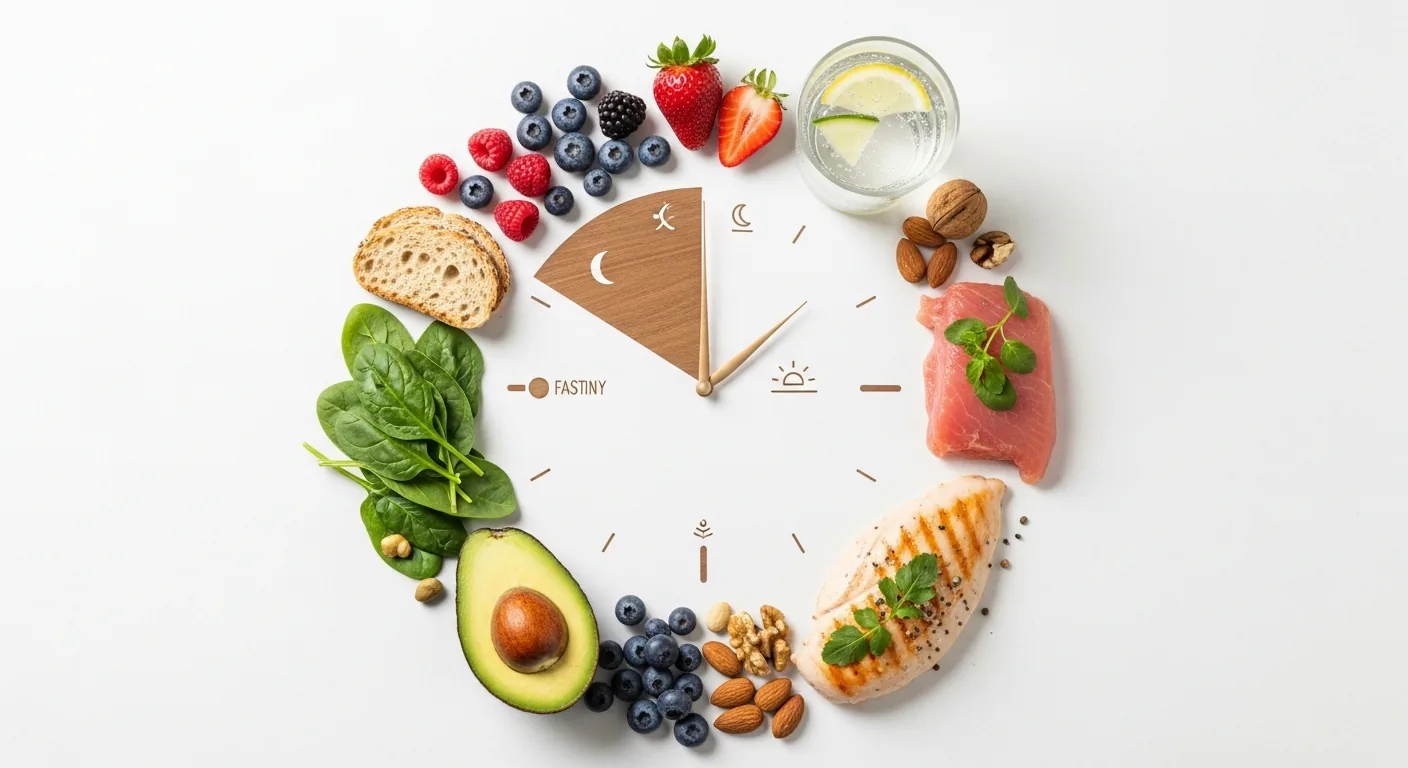
What Is Intermittent Fasting?
Intermittent fasting (IF) is an eating pattern that alternates between defined periods of fasting and eating. Unlike traditional diets that dictate what you eat, intermittent fasting focuses primarily on when you eat. It is one of the most researched dietary strategies of the past two decades, with studies examining its effects on weight management, metabolic health, cognitive function, longevity, and disease risk.
According to a 2022 review in The New England Journal of Medicine, intermittent fasting triggers a metabolic switch — a shift from glucose-based energy production to fat-based ketone production — that underlies many of its reported health benefits. Understanding this mechanism is key to making an informed decision about whether intermittent fasting is appropriate for you.
The Science Behind Intermittent Fasting
When you eat, your body breaks carbohydrates into glucose and uses it as the primary fuel source. Excess glucose is stored as glycogen in the liver and muscles. After 10–14 hours without eating (for most people), glycogen stores become depleted, and the body begins oxidizing fatty acids and producing ketone bodies as an alternative fuel for the brain and muscles.
This metabolic flexibility — the ability to switch between glucose and fat as fuel — is associated with improved insulin sensitivity, reduced inflammation, and enhanced cellular repair processes including autophagy (the body’s cellular “housekeeping” mechanism).
Studies show that this metabolic switch does not occur instantly. For most adults eating a typical Western diet, the switch begins around the 12–14 hour mark, making any fasting window shorter than 12 hours unlikely to trigger significant metabolic adaptation.
Popular Intermittent Fasting Schedules
16:8 (Leangains Protocol)
The most widely practiced form of intermittent fasting. You fast for 16 hours and eat within an 8-hour window — commonly, skipping breakfast and eating between noon and 8 PM.
Best for: Beginners, most adults, those seeking sustainable fat loss.
According to research published in Cell Metabolism, participants following a 16:8 protocol for 12 weeks lost an average of 3% of body weight and significantly reduced blood pressure without formally restricting calories.
5:2 Diet
Eat normally five days per week and restrict calories to approximately 500–600 calories on two non-consecutive days.
Best for: Those who prefer full eating days over daily restriction; people who find daily fasting difficult to maintain socially.
A landmark randomized controlled trial published in the International Journal of Obesity found that the 5:2 approach produced comparable weight loss and insulin sensitivity improvements to continuous caloric restriction over 6 months.
OMAD (One Meal a Day)
All daily calories are consumed in one meal, typically over a 1–2 hour window. This is effectively a 22:2 or 23:1 fasting-to-eating ratio.
Best for: Experienced fasters; those with aggressive fat loss or autophagy goals.
Caution: OMAD can be nutritionally challenging. Meeting macro and micronutrient needs in a single meal requires careful planning. It is not recommended for athletes, pregnant or breastfeeding women, or individuals with a history of eating disorders.
Alternate Day Fasting (ADF)
Alternating between full eating days and either complete fasting or very low-calorie (500 kcal) days.
Best for: People seeking aggressive metabolic benefits; some individuals with obesity under medical supervision.
Research in JAMA Internal Medicine found ADF was safe but no more effective for weight loss than daily caloric restriction in otherwise healthy adults. Adherence was harder to maintain long-term compared to daily time-restricted eating.
12:12
The most gentle entry point — fasting for 12 hours (often 8 PM to 8 AM) and eating within a 12-hour window. This aligns naturally with a typical eating schedule that ends in the evening and resumes with breakfast.
Best for: Absolute beginners, those coming from irregular eating patterns, older adults.
Evidence-Based Benefits of Intermittent Fasting
Weight Loss and Body Composition
According to a 2020 meta-analysis in Obesity Reviews analyzing 27 trials, intermittent fasting produced an average weight loss of 0.8–13% of body weight depending on protocol and duration. Critically, studies show IF tends to preserve lean mass better than continuous caloric restriction — important for metabolic rate and functional health as you age.
Insulin Sensitivity and Blood Sugar Control
Insulin resistance is a precursor to type 2 diabetes and metabolic syndrome. Studies show that intermittent fasting consistently improves fasting insulin levels and insulin sensitivity — often more effectively than equivalent caloric restriction — likely due to the extended periods of low insulin that allow cells to “resensitize” to the hormone’s signal.
A 2019 study in Cell Metabolism found that men with prediabetes who fasted for 18 hours daily for 5 weeks showed improvements in insulin sensitivity and reduced blood glucose even without weight loss.
Cardiovascular Health Markers
Research published in the American Heart Journal found that intermittent fasting improved multiple cardiovascular risk markers, including reductions in LDL cholesterol, triglycerides, blood pressure, and inflammatory markers (particularly C-reactive protein). These effects appear particularly pronounced in individuals who are overweight or have metabolic syndrome.
Brain Health and Cognitive Function
According to research from the National Institute on Aging, ketone bodies produced during fasting serve as a “super fuel” for the brain — more efficiently metabolized than glucose and associated with reduced neuroinflammation. Animal studies and preliminary human research suggest intermittent fasting may reduce risk factors for Alzheimer’s disease and improve memory and executive function.
Studies show that BDNF (Brain-Derived Neurotrophic Factor), a protein critical for neuroplasticity and protection against neurodegeneration, increases during fasting periods. Exercise during fasting states may amplify this BDNF response.
Cellular Autophagy
Autophagy — literally “self-eating” in Greek — is the cellular process by which damaged proteins and organelles are broken down and recycled. It plays a critical role in disease prevention, aging, and immune function. According to research, autophagy is significantly upregulated during fasting, typically becoming measurable after 18–24 hours without food.
Dr. Yoshinori Ohsumi won the 2016 Nobel Prize in Physiology or Medicine for his work on autophagy mechanisms, sparking mainstream interest in fasting as a tool for promoting cellular renewal.
Longevity
Studies in model organisms consistently show that caloric restriction and fasting extend lifespan — sometimes dramatically. Human longevity research is more complex, but epidemiological data from populations practicing Ramadan fasting, as well as observational studies of caloric restriction practitioners, suggest meaningful metabolic and inflammatory benefits that may translate to longer healthspan.
Who Should NOT Practice Intermittent Fasting
Intermittent fasting is not appropriate for everyone. According to clinical guidelines, the following individuals should consult a healthcare provider before attempting any fasting protocol:
- Pregnant or breastfeeding women
- Children and adolescents under 18
- Individuals with type 1 diabetes or insulin-dependent type 2 diabetes
- People with a history of eating disorders (anorexia, bulimia, binge eating disorder)
- Those who are underweight or malnourished
- People on medications that require food intake (certain blood pressure medications, steroids, etc.)
- Individuals with adrenal insufficiency or HPA axis dysregulation
Common Side Effects and How to Manage Them
Hunger and Irritability (“Hangry”)
This is most intense during the first 1–2 weeks of adaptation. Ghrelin (the hunger hormone) follows habitual meal-timing patterns; as your eating window shifts, ghrelin pulses also shift — typically within 7–14 days. Staying well-hydrated (water, black coffee, plain tea are fasting-safe) significantly reduces perceived hunger.
Headaches
Often caused by dehydration or electrolyte depletion during the fasting window. Ensure adequate sodium, potassium, and magnesium intake during eating windows. A small amount of salt in water during a fast is generally acceptable and often resolves fasting headaches.
Fatigue and Brain Fog
Common in the first 1–2 weeks before metabolic adaptation. Studies show these symptoms are transient in most individuals. Ensuring adequate caloric and nutrient intake within the eating window accelerates adaptation.
Sleep Disruption
Some individuals report difficulty sleeping if their last meal is too early relative to bedtime. If this is an issue, shifting the eating window slightly later (e.g., 1 PM – 9 PM instead of 12 PM – 8 PM) can help.
What Can You Consume During the Fasting Window?
The following are generally considered “fasting-safe” by most research protocols (i.e., they will not meaningfully break a fast or interrupt autophagy):
- Water
- Black coffee (no sugar, no milk, no cream)
- Plain tea (green, black, herbal — no additives)
- Sparkling water
- Salt and electrolytes in water
Items that may break a fast (insulin-triggering or calorie-containing):
- Milk, cream, or any caloric additives to coffee or tea
- Bone broth (contains calories and amino acids)
- BCAAs (branch-chain amino acids)
- Any food — even small amounts of nuts, fruit, or gum
How to Break Your Fast Properly
After an extended fast, some individuals experience gastrointestinal discomfort if they break the fast with a very large or complex meal. According to dietitians specializing in IF, the ideal fast-breaking meal is:
- Moderate in size rather than a massive compensatory meal
- Rich in protein (25–40g) to support satiety and muscle protein synthesis
- Including fermented foods or fiber to support gut microbiome health
- Low in highly processed foods and refined sugars, which spike blood glucose sharply after a fasting period
Intermittent Fasting and Exercise
The relationship between IF and exercise depends on the type, duration, and intensity of training. According to research:
- Low-to-moderate intensity cardio performed in a fasted state enhances fat oxidation and may improve endurance adaptations.
- Strength training is generally more effective when at least some carbohydrates are available. Many athletes using IF schedule their eating window to begin before or shortly after strength sessions.
- High-intensity intervals (HIIT) can be performed fasted but may feel harder and produce more muscle protein breakdown without protein intake post-exercise. Consuming protein within 30–60 minutes of a fasted HIIT session is recommended.
Frequently Asked Questions (FAQ)
Does intermittent fasting slow metabolism?
Short-term fasting (under 24 hours) does not slow metabolism. In fact, studies show that short-term fasting increases metabolic rate slightly due to improved norepinephrine. Prolonged caloric restriction (weeks to months) can reduce metabolic rate, but this is related to caloric deficit, not fasting per se. IF done without severe caloric restriction does not cause metabolic adaptation.
Can I do intermittent fasting if I work out every day?
Yes, with strategic planning. Many athletes and fitness enthusiasts successfully combine IF with daily training by timing their eating window around their training sessions to ensure adequate pre- and post-workout nutrition.
Will intermittent fasting cause muscle loss?
According to research, IF with adequate protein intake (1.6–2.2g per kg of body weight) preserves lean mass as effectively as continuous caloric restriction. Some studies suggest IF may be superior to continuous restriction for preserving muscle while losing fat.
How long does it take to see results with intermittent fasting?
Most people notice initial changes in hunger patterns and energy within 1–2 weeks. Measurable changes in body weight and composition typically appear within 4–8 weeks with consistent practice.
Is intermittent fasting safe long-term?
Studies of up to 2 years show IF is safe and effective for healthy adults. Very long-term data (decades) is limited, as IF has only been rigorously studied in recent years. The existing evidence is reassuring, but individuals with specific health conditions should consult their physician.
Does intermittent fasting affect hormones?
Yes. IF influences several hormones, including insulin (decreases), growth hormone (increases during fasting, supporting fat burning and tissue repair), norepinephrine (increases, supporting fat mobilization), and in women, some studies show extended fasting may affect estrogen and LH pulsatility. Women may benefit from shorter fasting windows (14:10 rather than 16:8) to minimize hormonal disruption.
Can I drink diet soda during a fast?
This is debated. Technically, diet sodas contain zero calories and do not raise insulin in most studies. However, some research suggests artificial sweeteners may trigger cephalic phase insulin responses in certain individuals, and the research on their effects on gut microbiome and metabolic health is mixed. Most IF protocols recommend plain water, coffee, or tea as the safest fasting-window beverages.
The Bottom Line
Intermittent fasting is one of the most evidence-supported dietary strategies for weight management, metabolic health, and potentially longevity. It works through distinct mechanisms — particularly the metabolic switch to fat oxidation and ketone production, improved insulin sensitivity, and upregulation of autophagy — rather than simply through caloric restriction alone.
The best protocol is one you can sustain consistently. For most people beginning IF, the 16:8 or 12:12 approach offers a practical entry point with a strong evidence base and manageable adjustment period. As always, individual health conditions and goals should guide your specific approach, and consulting a registered dietitian or physician is advisable before beginning any fasting protocol.
This article is for informational purposes only and does not constitute medical advice. Consult a qualified healthcare provider before making significant changes to your diet or health regimen.
🔥 Recommended: Shop quality supplements at NutriProfits – Trusted brands, best prices.
Related Reading
- Intermittent Fasting for Beginners: Complete 2026 Guide
- Intermittent Fasting Benefits for Women: What Science Says in 2026
- Low Carb Meal Prep: 90-Minute Sunday System
