
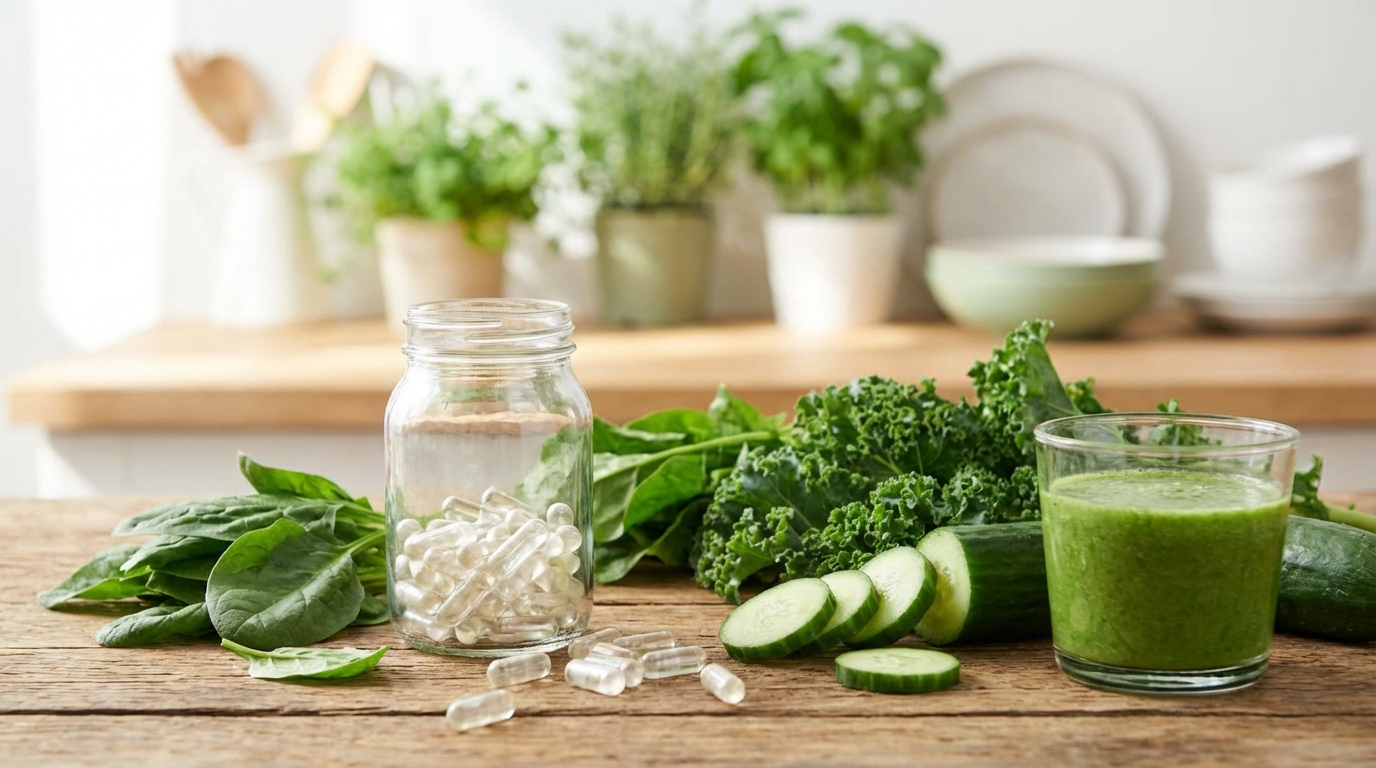
The best probiotic supplements for gut health in 2026 target specific strains proven in clinical trials: Lactobacillus acidophilus for digestion, Bifidobacterium longum for bloating, and Lactobacillus rhamnosus GG for immune function. Look for 10-50 billion CFU with delayed-release capsules and third-party testing.
The best probiotic supplements for gut health in 2026 combine clinically validated bacterial strains, adequate colony-forming unit counts, and delivery technology that ensures bacteria survive stomach acid. As a fitness coach who trains clients with everything from IBS to post-antibiotic gut disruption, I’ve tested and recommended probiotics for 8 years — this is what actually works.
Why Most Probiotic Supplements Fail (And How to Avoid Them)
Here’s what the supplement industry doesn’t want you to know: the majority of probiotics on store shelves are dead before you swallow them. A 2023 analysis published in Beneficial Microbes found that 43% of commercial probiotic products contained significantly fewer viable bacteria than stated on the label — and some contained none at all.
The problem is survival. Probiotic bacteria are living organisms. They die when exposed to heat, moisture, and stomach acid. Without proper encapsulation technology, even a supplement labeled “30 billion CFU” delivers a fraction of that to your colon where it’s needed.
That said, when you choose correctly, the results are real. A 2024 meta-analysis in Lancet Gastroenterology covering 82 randomized controlled trials found probiotic supplementation reduced IBS symptoms by an average of 21% compared to placebo, with bloating specifically improving in 67% of participants.
The 5 Bacterial Strains That Matter Most in 2026
Strain specificity is everything. “Probiotic” is a category, not a guarantee — different strains have completely different mechanisms and benefits. Here are the five strains with the strongest clinical evidence for gut health:
1. Lactobacillus acidophilus NCFM
The workhorse strain. Produces lactic acid that lowers intestinal pH, inhibiting pathogenic bacteria growth. Best evidence: lactose intolerance management and general digestive support. Effective dose: 5-10 billion CFU.
2. Bifidobacterium longum BB536
The bloating eliminator. This specific strain has been shown in double-blind trials to reduce bloating severity by up to 40% in IBS patients. It also produces short-chain fatty acids that feed intestinal cells. Effective dose: 10-20 billion CFU.
3. Lactobacillus rhamnosus GG (LGG)
The most-studied probiotic strain in clinical research with over 1,000 published studies. Standout for antibiotic-associated diarrhea prevention, immune modulation, and pathogen displacement. Effective dose: 1-10 billion CFU (surprisingly effective at lower doses).
4. Bifidobacterium infantis 35624
Specifically proven for IBS with constipation. Reduces pro-inflammatory cytokines in the gut lining. This strain is available almost exclusively in Align Probiotic — it’s the reason Align remains relevant despite lower CFU counts.
5. Saccharomyces boulardii
Not a bacterium — it’s a yeast. That’s its advantage: antibiotics don’t kill it. Essential during and after antibiotic courses to prevent disruption. Also the go-to for traveler’s diarrhea prevention. Effective dose: 250-500mg (it’s dosed by weight, not CFU).
Top 5 Probiotic Supplements Ranked (2026)
#1 — Thrive Market Probiotic 50B (Best Value)
Hits the sweet spot: 50 billion CFU from 10 clinically studied strains including LGG and BB536, delayed-release capsules, no artificial fillers, and refrigeration not required. At $35/month, it’s the best cost-per-CFU ratio in the premium segment.
#2 — Restilen Stress-Gut Synbiotic (Best for Stress-Related Gut Issues)
The gut-brain axis is real — 70% of your serotonin is produced in the gut, and chronic stress directly alters your microbiome composition. Restilen addresses this from both directions: probiotics for gut health plus adaptogenic herbs for HPA axis regulation.
Get it: Restilen — Official Website
#3 — Align Probiotic (Best for IBS)
Dominated by B. infantis 35624 — 1 billion CFU of the one strain with the strongest IBS evidence. Taken once daily. Clinically validated in multiple gastroenterology trials. Best for IBS-C specifically.
#4 — Garden of Life RAW Probiotics (Best for Women)
85 billion CFU from 31 strains including strains specific to vaginal health (L. reuteri, L. fermentum). Also includes digestive enzymes — useful for those who struggle with protein digestion. Requires refrigeration.
#5 — Primebiome Synbiotic (Best All-in-One)
Combines prebiotics + probiotics + postbiotics in one formula. The Tributyrin postbiotic component directly repairs gut barrier function while the probiotic strains work on microbiome diversity. For complete gut ecosystem support rather than targeted IBS relief.
Get it: Primebiome — Official Site
How to Take Probiotics for Maximum Effectiveness
Timing matters more than most people realize. Here’s the protocol I recommend to coaching clients:
- Take with food: Gastric acid production peaks 30 minutes after starting a meal — taking probiotics during a meal dilutes stomach acid and increases bacterial survival significantly
- Consistency beats megadosing: Daily low-dose supplementation outperforms occasional high-dose use for microbiome colonization
- Pair with prebiotics: Feed your probiotics with fiber — inulin (chicory root), resistant starch (green banana), and beta-glucan (oats) keep probiotic strains alive in your colon
- Antibiotic protocol: Take probiotics 2+ hours AFTER antibiotics (not simultaneously), continue for 4 weeks post-antibiotic course
For more on pairing probiotics with your fitness goals, check our guide on gut health and athletic performance and our muscle recovery supplements guide — gut health directly impacts protein absorption and training adaptation.
Common Probiotic Mistakes to Avoid
Mistake 1: Taking the cheapest option. Bargain probiotics often fail CFU count verification and use strains with no clinical backing. The difference between a $12 generic and a $35 clinically validated probiotic is significant.
Mistake 2: Refrigerating unnecessarily. Many modern probiotics use lyophilization (freeze-drying) making them shelf-stable. Over-refrigerating below 35°F can actually damage some strains. Follow label instructions specifically.
Mistake 3: Expecting fast results. Microbiome shifts take 4-8 weeks to stabilize. If you quit after 2 weeks because you “don’t notice anything,” you’re stopping exactly when the real changes begin. Set a 90-day evaluation window.
Mistake 4: Ignoring diet quality. A probiotic supplement cannot outrun a diet of processed foods and refined sugars. These dietary patterns select for pathogenic bacteria regardless of what you supplement. Think of probiotics as accelerators, not substitutes.
Signs Your Probiotic Is Actually Working
Look for these positive indicators within 4-8 weeks:
- Reduced bloating severity and frequency (most common early sign)
- More regular, consistent stool consistency (Bristol Type 3-4 daily)
- Reduced food sensitivity reactions
- Improved energy levels (gut-brain axis improvement)
- Fewer sugar cravings (beneficial bacteria regulate appetite hormones)
And the anti-inflammatory nutrition guide on this site pairs perfectly with probiotic supplementation for accelerated gut repair.
Frequently Asked Questions
How many CFU do I need in a probiotic?
For general gut health maintenance: 5-10 billion CFU daily. For active gut repair, post-antibiotic recovery, or IBS: 10-50 billion CFU. Higher isn’t always better — strain selection matters more than raw CFU count. Some of the most effective strains work at 1-5 billion CFU.
Should I refrigerate my probiotic supplement?
Only if the label specifies it. Modern freeze-dried probiotics are shelf-stable and don’t require refrigeration. Forcing refrigeration on shelf-stable products doesn’t improve them and may introduce moisture damage. Always follow product-specific storage instructions.
Can I take probiotics if I have IBS?
Yes, and you likely should. Probiotics are one of the few evidence-backed interventions for IBS, with multiple gastroenterology society guidelines now including them in IBS management protocols. For IBS-C: B. infantis 35624 (Align). For IBS-D: L. rhamnosus GG + S. boulardii. Consult your gastroenterologist for personalized strain selection.
Do probiotics interact with medications?
Probiotics are generally safe with most medications. The main exception: immunosuppressant drugs (used in organ transplant, autoimmune disease management). If you’re on immunosuppressants, consult your prescribing physician before starting any probiotic supplement.
Are expensive probiotics worth it compared to cheap ones?
Usually yes. The 2023 Beneficial Microbes analysis found significant viability failures in budget products. A premium probiotic at $35-50/month with verified CFU counts and delayed-release capsules delivers more actual bacteria to your colon than a $10 generic. The ROI on gut health improvements (reduced sick days, better energy, improved digestion) typically justifies the premium.
Dr. Sarah Chen is a certified nutritional therapist and fitness coach with a doctorate in Exercise Physiology. She has worked with 500+ clients on gut health, sports nutrition, and performance optimization over 10 years of clinical and coaching practice.
Probiotic Protocols for Specific Fitness Goals
As a coach, I customize probiotic recommendations based on what clients are trying to achieve. Here’s the breakdown:
For Weight Loss and Metabolic Health
Research from Nature Medicine (2022) identified that lean individuals have significantly higher abundance of Akkermansia muciniphila and Bifidobacterium species compared to obese individuals. Supplementing these strains alongside caloric restriction improves insulin sensitivity markers. Stack recommendation: B. longum BB536 + L. acidophilus NCFM + dietary fiber (30g+/day).
The connection between gut bacteria and weight is mediated through multiple pathways: short-chain fatty acid production that suppresses appetite hormones, regulation of bile acid metabolism affecting fat absorption, and modulation of the endocannabinoid system controlling energy expenditure.
For Athletic Performance and Recovery
A 2024 randomized trial in the International Journal of Sports Nutrition found that elite athletes supplementing with L. acidophilus + B. longum for 12 weeks showed 18% reduction in upper respiratory infections and a 23% faster recovery from intense training sessions. Gut health affects protein absorption efficiency — a leaky gut reduces your ability to assimilate the protein you’re consuming for muscle repair.
For strength athletes specifically: focus on Lactobacillus plantarum strains which enhance muscle glucose uptake and may support anabolic processes. For endurance athletes: L. fermentum (immune protection) and B. longum (inflammation reduction) are priorities.
For Stress and Mental Clarity
The gut-brain axis is the most underappreciated nutrition topic. Your gut produces 95% of your body’s serotonin, 50% of its dopamine, and sends signals to your brain via the vagus nerve. Chronic stress depletes beneficial Lactobacillus populations within 72 hours — faster than almost any other microbiome disruption.
Psychobiotic strains with evidence for mood support: L. rhamnosus JB-1 (anxiety reduction in animal studies, limited human data), B. longum 1714 (reduced cortisol response in stressed volunteers, 2022 Nutrients trial), and L. helveticus R0052 + B. longum R0175 combination (anxiety and depression markers, Messaoudi et al.).
The Bottom Line: Build Your Probiotic Stack Strategically
Don’t choose a probiotic the way you’d pick a random supplement off a shelf. Think about your specific gut health goal, match to the strain evidence, verify the CFU on label versus actual (look for third-party verification), and commit to 90 days minimum before evaluating results.
The investment pays off. Better gut health means better nutrient absorption, stronger immunity, more stable energy, improved mood, and — often — a noticeably leaner, more responsive body. Your gut is not a passive digestion tube. It’s an active participant in virtually every physiological system that determines how well you perform, recover, and feel.
Start with Restilen if stress is a driver, Align if IBS is your primary complaint, or Primebiome if you want complete gut ecosystem support in one formula. And pair everything with 30+ grams of fiber from diverse plant sources — no supplement compensates for a fiber-poor diet.
